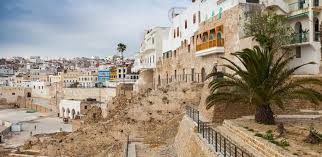
Tangier, a port city in northern Morocco, has long been known for its rich history, diverse culture, and unique position at the crossroads of Europe and Africa. Situated on the Strait of Gibraltar, where the Mediterranean Sea meets the Atlantic Ocean, Tangier serves as a bustling gateway between two continents, making it a historically important trade and cultural hub. Whether you’re curious about its fascinating past, vibrant present, or emerging future, Tangier is a city that offers a wealth of experiences and stories to explore.
In this article, we’ll dive into the different facets of Tangier, exploring everything from its geographical location to its cultural significance, historical importance, and modern-day transformation. We’ll also address some of the frequently asked questions about Tangier, including what makes it a unique travel destination and what people are searching for on platforms like YouTube.
Geographical Significance of Tangier
Tangier is located in the northernmost part of Morocco, with the Mediterranean Sea to the north and the Atlantic Ocean to the west. It’s just 14 kilometers (9 miles) away from Spain across the Strait of Gibraltar, making it the closest African city to Europe. This geographical positioning has contributed to its historical importance as a trading post, cultural melting pot, and gateway to Africa.
The city’s strategic location has made it a vital point for maritime traffic for centuries, facilitating trade routes between Europe, Africa, and the Middle East. Its proximity to Europe has also contributed to its cosmopolitan atmosphere, attracting many international visitors and expats.
Historical Context: Tangier Through the Ages
Tangier has a rich history that dates back to ancient times. Originally founded by the Phoenicians, it later came under the control of various civilizations, including the Romans, the Vandals, and the Arabs. The city’s history is marked by numerous cultural exchanges, invasions, and influences that have shaped its unique character.
Roman and Arab Rule
During the Roman Empire, Tangier was known as Tingis, a major settlement along the Mediterranean coast. The Romans used the city as a military base and a commercial hub. After the fall of the Roman Empire, the city was conquered by the Arabs in the 7th century, marking the beginning of Islamic influence in the region.
European Influence and International Zone
In the 19th and early 20th centuries, Tangier became a focal point for European powers. In 1923, the city was established as an international zone, administered by several European countries, including France, Spain, and the United Kingdom. During this period, Tangier flourished as a cosmopolitan city, attracting writers, artists, and diplomats. Its unique status as an international zone helped blend various cultural, political, and social influences, making it a melting pot of European, African, and Arab cultures.
Modern-Day Tangier: A City on the Rise
Today, Tangier is a vibrant and rapidly developing city, balancing its historical significance with modern growth. Over the last few decades, the city has undergone significant modernization and urbanization. This transformation is particularly visible in its infrastructure, real estate, and tourism industries.
Economic Development
Tangier’s economy is primarily driven by trade, manufacturing, and tourism. The city’s port, the Port of Tangier Med, is one of the largest and most important in Africa. It handles a significant amount of cargo traffic and is a crucial link in the trade routes between Europe, Africa, and the Middle East.
In addition to trade, Tangier has also become a key center for automobile manufacturing, with major companies such as Renault and Peugeot operating in the area. The city’s proximity to Europe and its growing industrial base have attracted foreign investment, driving economic growth and job creation.
Tourism Boom
Tangier has always been a popular destination for tourists, but recent years have seen a sharp increase in visitors. The city’s mix of modernity and tradition, along with its scenic landscapes and rich history, make it an appealing place to visit.
Tourists flock to the city to explore its historical sites, such as the Kasbah, the American Legation Museum, and the Caves of Hercules. The beaches of Tangier, with their views of the Mediterranean and Atlantic coasts, are also a major draw for visitors. Additionally, Tangier is home to a vibrant arts scene, with numerous galleries, festivals, and cultural events that showcase the city’s creativity and diversity.
What Makes Tangier Unique?
Tangier stands out for its eclectic mix of cultures, historical landmarks, and natural beauty. The city offers a unique blend of European, Arab, and African influences, which is evident in everything from its architecture to its cuisine. Below are some of the key elements that make Tangier a unique and fascinating destination.
Cultural Diversity
One of the most distinctive features of Tangier is its cultural diversity. This is a city where European, Arab, and African traditions coexist and blend seamlessly. The international influence is especially noticeable in the architecture, with colonial-era buildings sitting alongside traditional Moroccan structures. The local cuisine also reflects this cultural fusion, with dishes that incorporate spices and ingredients from all over the world.
Artistic Legacy
Tangier has long been a haven for artists, writers, and musicians. In the 20th century, the city attracted famous figures such as American writers Paul Bowles, William S. Burroughs, and Tennessee Williams. These cultural icons were drawn to Tangier’s bohemian atmosphere, which allowed for creative freedom and artistic expression.
Today, Tangier continues to be a thriving center for the arts, with numerous galleries, art festivals, and cultural institutions. The city’s creative energy is evident in its music, fashion, and contemporary art scene.
Scenic Beauty
Tangier is known for its breathtaking natural beauty. The city is surrounded by lush landscapes, with mountains to the south and the sea to the north. The beaches, with their golden sands and clear waters, are perfect for relaxation and water sports. The city also offers panoramic views of the Strait of Gibraltar, where the waters of the Mediterranean meet the Atlantic Ocean.
Is Tangier Safe for Tourists?
Yes, Tangier is generally considered safe for tourists. However, like any major city, it is advisable to take standard precautions, such as being mindful of your belongings and avoiding poorly lit areas at night. It is also a good idea to research local customs and respect cultural norms.
What Language is Spoken in Tangier?
The official languages of Tangier are Arabic and Berber, but French is widely spoken, particularly in business and tourism settings. English is also becoming increasingly common, especially in tourist areas.
How Can I Get to Tangier?

Tangier is well-connected to the rest of Morocco and Europe. The city is served by an international airport, Ibn Battuta International Airport, with flights to major European cities. You can also reach Tangier by ferry from Spain, as the city is located just a short distance from the Spanish coast.
What Are the Best Things to Do in Tangier?
Some of the top attractions in Tangier include:
Exploring Kasbah and its historic streets.
Visiting the Caves of Hercules.
Strolling along the Medina and its bustling souks (markets).
Enjoying the scenic views from Cape Spartel.
Visiting the American Legation Museum.
Tangier’s Bright Future
Tangier is a city that beautifully blends its rich history with modern growth and development. As it continues to evolve, it remains a unique destination that attracts people from all over the world. Whether you’re interested in exploring its historical sites, enjoying its vibrant cultural scene, or simply relaxing on its beautiful beaches, Tangier offers something for everyone.
The city’s growing economy, rich cultural heritage, and beautiful landscapes make it an exciting place to visit or live. With its continued investment in infrastructure and tourism, Tangier is set to remain an important cultural and economic center in the years to come.
FAQs
Tangier, Morocco, is an alluring city that has captivated travelers, historians, and artists for centuries. Situated on the Strait of Gibraltar, it serves as a crossroads between Africa and Europe. If you’re considering visiting or learning more about this vibrant city, here are the most frequently asked questions based on what people are searching for on Google and YouTube.
What is Tangier known for?
Tangier is known for its unique location where the Mediterranean Sea meets the Atlantic Ocean, offering spectacular views. Historically, it has served as a significant port city and a melting pot of cultures, blending Arab, European, and African influences. The city is renowned for its artistic heritage, scenic landscapes, vibrant medina, and historical landmarks such as the Kasbah, the Caves of Hercules, and the American Legation Museum.
Is Tangier safe for tourists?
Yes, Tangier is generally considered safe for tourists. However, like any other popular tourist destination, visitors should be cautious and take standard safety precautions. Avoid wandering into unfamiliar areas at night, be aware of your belongings, and respect local customs. Petty theft can occasionally occur in crowded areas, so it’s best to stay vigilant in busy parts of the city.
What languages are spoken in Tangier?
The official languages of Tangier are Arabic and Berber, with Arabic being the dominant language. However, French is widely spoken in the city due to Morocco’s colonial history. In tourist areas, you will also find many people who speak Spanish and English, especially in hotels, restaurants, and markets.
How do I get to Tangier?
Tangier is well-connected to both Europe and Morocco. You can reach the city by air through Ibn Battuta International Airport, which has direct flights to several major European cities like Paris, Madrid, and London. Another option is traveling by ferry from Algeciras, Spain to Tangier’s port, which is just about a 30-minute crossing. If you’re traveling within Morocco, Tangier is easily accessible by bus, train, or car from major cities like Casablanca and Marrakesh.
What are the must-see attractions in Tangier?
Tangier offers a variety of attractions for visitors to enjoy:
Kasbah: A historic fortified area with narrow streets and stunning views over the city.
American Legation Museum: The first American public property outside the U.S. showcasing Moroccan-American history.
Caves of Hercules: A natural wonder that has been historically important and features a unique opening resembling the shape of Africa.
Medina: The old town of Tangier, with its maze-like streets, vibrant souks (markets), and historic buildings.
Cap Spartel: The point where the Atlantic Ocean and Mediterranean Sea meet, offering breathtaking views.
When is the best time to visit Tangier?
The best time to visit Tangier is spring (March to May) and autumn (September to November). During these months, the weather is mild, with pleasant temperatures and lower chances of rain. The summer months can be quite hot, with temperatures sometimes exceeding 30°C (86°F), so visitors may prefer to avoid peak summer unless they plan on visiting the beaches.
What is the food like in Tangier?
Tangier’s food reflects its diverse cultural influences. Traditional Moroccan cuisine is prevalent, with dishes like:
Couscous: A staple dish made from semolina, often served with meat or vegetables.
Tagine: A slow-cooked stew, typically made with lamb, chicken, vegetables, and spices.
Pastilla: A savory pie filled with pigeon meat, almonds, and cinnamon.
Seafood: Given Tangier’s coastal location, fresh seafood such as sardines and octopus is abundant and a must-try. You’ll also find a variety of Mediterranean and European-influenced dishes, reflecting the city’s history of international interactions.
Is Tangier expensive?
Tangier is relatively affordable compared to major European or American cities. The cost of living and travel expenses such as food, accommodation, and transportation are lower, making it a great destination for budget travelers. However, prices can vary based on where you stay and eat. Tourist areas and high-end restaurants can be pricier than local spots, but overall, you can easily enjoy a great trip to Tangier without breaking the bank.
What is the weather like in Tangier?
Tangier enjoys a Mediterranean climate, characterized by mild, wet winters and hot, dry summers. The city’s coastal location moderates the temperature, making it more temperate than other inland parts of Morocco.
Summer (June to August): Average temperatures are between 25°C (77°F) and 30°C (86°F).
Winter (December to February): Temperatures hover around 12°C (54°F) to 18°C (64°F), with occasional rainfall. The overall climate is pleasant, especially compared to other parts of Morocco, which can experience extreme temperatures.
What is the history of Tangier?
Tangier has a rich and diverse history, having been settled by various civilizations over the centuries. Founded by the Phoenicians, it was later controlled by the Romans, Arabs, and various European powers. In the early 20th century, Tangier became an international city under joint administration by several European nations, which contributed to its cosmopolitan and diverse atmosphere. The city’s strategic position along the Strait of Gibraltar made it a key port for trade and cultural exchange.
What are the best beaches in Tangier?
Tangier is home to several beautiful beaches that are perfect for a relaxing day by the sea:
Plage Malabata: Located near the city center, this beach offers clear waters and a great atmosphere for families.
Achakar Beach: A quieter and more secluded beach, ideal for swimming and sunbathing.
Dalia Beach: A popular beach for locals, offering a more authentic Moroccan seaside experience.
What is the local culture like in Tangier?
Tangier’s culture is a blend of Arab, Berber, European, and Mediterranean influences, due to its historical connections with different regions. The city is known for its openness and cosmopolitan nature, with a rich tradition of art, literature, and music. Tangier has long attracted writers and artists from around the world, including famous figures like Paul Bowles, William S. Burroughs, and Tennessee Williams. Local traditions include music, dance, and festivals, which reflect both traditional Moroccan culture and global influences.
Can I visit the Caves of Hercules in Tangier?
Yes, the Caves of Hercules are one of the most popular attractions in Tangier. Located just outside the city, these natural caves are believed to have been used by the ancient Berbers. The caves are famous for the opening that looks like the shape of Africa when viewed from the sea. It is a must-see site for anyone visiting Tangier.
What are the shopping options in Tangier?
Tangier offers a variety of shopping experiences, from traditional markets (souks) to modern malls:
Medina Souk: The historic market in the heart of the old town, where you can find spices, textiles, handmade jewelry, pottery, and leather goods.
Grand Socco: A lively square with shops and street vendors selling local goods.
Tangier City Mall: For those looking for international brands and modern shopping options.
What are some travel tips for visiting Tangier?
Learn a few basic phrases in Arabic or French: While English is spoken in some areas, knowing a bit of the local language can be helpful.
Dress modestly: Morocco is a Muslim country, and while Tangier is relatively liberal, it’s important to dress modestly, especially in religious or traditional areas.
Bargain in the markets: Bargaining is common in Moroccan markets, so don’t be afraid to negotiate prices with vendors.

Plan for the weather: Pack accordingly for Tangier’s mild weather, but be prepared for occasional rain during the winter months.
These FAQs cover some of the most popular questions people have when considering a visit to Tangier, whether it’s about the city’s history, culture, attractions, or practical tips for travelers. Tangier is a city that blends the old with the new, and whether you’re exploring its ancient streets or modern developments, it promises an enriching experience for every traveler.
To read more click here
Leave a Reply