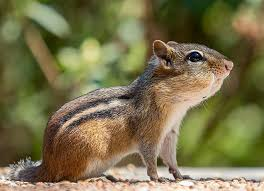
World of the Chipmunks, are among the most charming and energetic animals in the animal kingdom. Their small size, distinct markings, and lively behavior make them a favorite among nature lovers and curious minds alike. Whether you’re an animal enthusiast or simply want to learn more about this cute little creature, this article will answer all the questions people are searching about chipmunks on platforms like Google and YouTube. With detailed insights on their behavior, diet, habitat, and more, this guide will take you deep into the fascinating world of chipmunks.
What is a Chipmunk?
A chipmunk is a small, striped rodent belonging to the squirrel family, Sciuridae. Chipmunks are easily recognizable due to their distinctive brown and black stripes running along their backs. These tiny animals are primarily found in North America, although there are a few species in Asia as well. Chipmunks are often confused with squirrels, but they are smaller and have unique habits, such as burrowing and storing food in their cheek pouches.
The most common species of chipmunk is the Eastern chipmunk (Tamias striatus), which is native to the eastern United States and parts of Canada. Chipmunks thrive in wooded environments, but they can also be found in suburban gardens, parks, and even near human homes. They are known for their high-energy behavior, frequent chipping calls, and adorable antics.
Physical Characteristics of Chipmunk
Chipmunks are small rodents, measuring around 9 to 11 inches in total length, including their tail. Their weight ranges between 2.5 and 5 ounces. These animals are characterized by:
Stripes: Chipmunks are easily identified by the dark and light stripes running vertically down their backs. These stripes help them blend in with their natural surroundings and serve as a form of camouflage against predators.
Cheek Pouches: One of the most distinctive features of chipmunks is their large cheek pouches. These pouches expand significantly and are used to store food, which chipmunks carry back to their burrows.
Small Feet and Claws: Chipmunks have small, strong feet with sharp claws that allow them to dig and climb with ease.
Bushy Tail: Like other members of the squirrel family, chipmunks have a bushy tail, which they use for balance and communication.
Despite their small size, chipmunks are incredibly agile and capable of high-speed movements.
Where Do Chipmunks Live?
Chipmunks are highly adaptable and can be found in a wide range of habitats, though they predominantly prefer environments where they can find plenty of food and shelter. Some common places where chipmunks live include:
Wooded Areas: Chipmunks are typically found in forests, especially those with abundant ground cover and trees. These areas offer the perfect conditions for them to dig burrows and find food.
Gardens and Lawns: In suburban and rural areas, chipmunks often make their homes in gardens and grassy lawns. The plants and vegetation in these areas provide a natural food source.
Parks and Nature Reserves: Chipmunks can also be found in urban parks, nature reserves, and botanical gardens, where they have easy access to food and shelter.
Under Rocks and Logs: Chipmunks prefer burrowing in areas with loose soil, such as under rocks, logs, or fallen tree branches. These burrows are complex systems of tunnels used for nesting, storing food, and hiding from predators.
Chipmunk Diet What Do Chipmunks Eat?
Chipmunks are omnivores, meaning they eat both plant and animal matter. Their diet consists of a wide variety of foods, including:
Nuts and Seeds: Chipmunks are particularly fond of acorns, sunflower seeds, and pine nuts. They gather these items during the fall and store them in their cheek pouches and burrows for winter consumption.
Fruits and Berries: Chipmunks also enjoy a variety of fruits, such as apples, strawberries, blackberries, and raspberries.
Insects: Chipmunks are not just vegetarians; they also eat insects like ants, caterpillars, beetles, and grasshoppers. Insects provide protein, which is an important part of their diet.
Grains: They can also be found foraging for grains, such as corn, in gardens and fields.
Chipmunks are opportunistic feeders and will eat whatever food is available. Their cheek pouches allow them to carry large amounts of food back to their burrows, where they store it for later use, particularly during winter when food becomes scarce.
How Do Chipmunks Communicate?
Chipmunks use a variety of sounds and body language to communicate with each other. Some of the most common forms of communication include:
Chipping Calls: Chipmunks make a high-pitched “chip” sound to warn other chipmunks of nearby predators or threats. This is one of their most common vocalizations.
Tail Flicking: Chipmunks often flick their tails rapidly when they feel threatened or excited. Tail flicking is a form of warning to other chipmunks and can also help signal distress.
Squeaks and Whistles: Chipmunks make squeaking or whistling sounds when they are startled or feel threatened. These sounds may also be used to communicate with other chipmunks in their territory.
Body Postures: Chipmunks also communicate through body language, such as standing on their hind legs to scan for predators or waving their tails.
Chipmunk Behavior and Activity Patterns
Chipmunks are diurnal animals, meaning they are most active during the day. They usually begin foraging at dawn and continue until dusk, when they return to their burrows to rest. Chipmunks are known for their high energy and constant movement.
Foraging: Chipmunks spend a significant portion of their day searching for food, particularly during the fall when they gather nuts and seeds to store for the winter. Their cheek pouches allow them to collect and carry food back to their burrows.
Burrowing: Chipmunks are expert diggers, using their sharp claws to create burrows that can extend up to 30 feet in length. These burrows have multiple chambers for sleeping, food storage, and waste disposal. Chipmunks are solitary animals and use their burrows to maintain their personal space.
Hibernation: While chipmunks do not hibernate in the traditional sense, they enter a state of torpor during the winter months. During this time, their metabolism slows down, and they wake up periodically to eat the food they have stored in their burrows. This behavior helps chipmunks survive the cold months when food is scarce.
Do Chipmunks Hibernate?
Chipmunks do not hibernate like bears, but they do enter a period of torpor during the winter. Torpor is a state of reduced body temperature and metabolic activity that allows chipmunks to conserve energy. This state is not a true hibernation, as chipmunks will wake up periodically to eat and drink. They rely on the food they have stored in their burrows to sustain them during this period of inactivity.
Torpor typically lasts for several weeks, and chipmunks may experience multiple periods of torpor throughout the winter. During these times, their body temperature drops to near freezing, and their heart rate and respiration slow dramatically. When they wake up, they may forage briefly before returning to their state of torpor.
Are Chipmunks Dangerous to Humans?
Chipmunks are not considered dangerous to humans. These small, timid creatures usually avoid contact with people and prefer to keep their distance. However, chipmunks can carry diseases, such as Lyme disease and tularemia, which are transmitted through ticks or direct contact. While the risk of disease transmission is low, it is still advisable to avoid handling chipmunks or disturbing their burrows.
In rare cases, chipmunks may cause damage to gardens, lawns, and buildings. They can dig up plants, eat vegetables, and chew on electrical wires, which can result in minor property damage. If chipmunks become a problem, it’s best to use humane methods to deter them, such as using repellents or installing barriers.
Can Chipmunks Be Kept as Pets?
While it is technically possible to keep chipmunks as pets, they are wild animals and not suited for captivity. Chipmunks have specific dietary and environmental needs that can be difficult to meet in a domestic setting. They are also known for being highly active and require a significant amount of space to roam and dig.
If you are considering keeping a chipmunk as a pet, it’s important to understand the challenges involved. Chipmunks may be more difficult to tame than other pets, and they can be quite destructive if not provided with an appropriate environment. Furthermore, in many regions, it may be illegal to keep chipmunks as pets without a special permit.
How to Attract Chipmunks to Your Yard
If you want to attract chipmunks to your garden or yard, here are some tips:
Provide Food: Chipmunks love nuts, seeds, and fruits. Placing these foods in a shallow dish or scattering them around your yard can attract chipmunks.
Create Shelter: Chipmunks need safe, quiet places to hide. Creating small shelters with rocks, logs, or dense vegetation can encourage chipmunks to settle in your yard.
Offer Water: A small birdbath or shallow container of water will help keep chipmunks hydrated, especially in dry weather.
By offering food, shelter, and water, you can make your yard a welcoming place for chipmunks. Just be mindful of your garden plants, as chipmunks may forage for fruits and vegetables.
Fun Facts About Chipmunks
Great Climbers: Chipmunks are excellent climbers and can easily scale trees, bushes, and other obstacles in their environment.

Speedy Movers: Chipmunks are capable of running up to 20 miles per hour, making them one of the fastest rodents.
Social Creatures: While chipmunks are typically solitary, they will communicate with each other and may share food sources in areas where their territories overlap.
Food Hoarders: Chipmunks are known for hoarding food in their burrows to survive the winter months. Their cheek pouches allow them to carry large amounts of food at once.
Chipmunks are fascinating creatures that play an important role in the ecosystems they inhabit. With their charming stripes, cheek pouches, and energetic behavior, chipmunks have become a beloved part of wildlife. From their feeding habits to their intricate burrowing systems, chipmunks continue to amaze us with their adaptability and cleverness. Understanding more about these tiny animals enriches our connection to the natural world, offering a deeper appreciation for the incredible diversity of life around us.
Faqs
Chipmunks are small, adorable rodents that have captured the hearts of many due to their energetic nature and distinctive markings. They belong to the squirrel family, but their small size, stripes, and charming behavior set them apart. Below are some of the most frequently asked questions people are searching for about chipmunks, with informative answers based on the latest information.
What is a chipmunk?
A chipmunk is a small rodent belonging to the squirrel family, Sciuridae. They are characterized by their small size, short legs, and distinctive stripes running down their backs. Chipmunks are often seen in wooded areas, gardens, and even urban settings. They are primarily ground dwellers, unlike tree squirrels, and are well-known for their cheek pouches, which they use to store food.
What do chipmunks eat?
Chipmunks are omnivores, meaning they eat both plant and animal matter. Their diet includes:
Nuts and seeds: Acorns, sunflower seeds, and pine nuts are favorites.
Fruits and berries: They enjoy eating strawberries, blackberries, apples, and other fruits.
Insects: They may also consume insects like ants, beetles, and caterpillars.
Grains: Chipmunks may forage for grains such as corn.
They are known for storing food in their burrows for winter, using their cheek pouches to carry large amounts at a time.
Where do chipmunks live?
Chipmunks typically live in wooded areas, forests, and gardens, but they can adapt to various environments. They often make their homes in burrows under rocks, logs, or in the ground. These burrows can have multiple tunnels and chambers used for nesting and storing food. Some species, like the Eastern chipmunk, are also found in suburban areas and even near human homes.
Are chipmunks nocturnal or diurnal?
Chipmunks are diurnal, meaning they are most active during the day, particularly in the early morning and late afternoon. They spend much of the daylight hours foraging for food, and they return to their burrows in the evening to sleep.
How long do chipmunks live?
In the wild, chipmunks typically live for about 2 to 3 years, although many may not survive their first year due to predation or accidents. In captivity, where they face fewer threats, chipmunks can live longer, sometimes up to 8 years, if provided with the proper care and environment.
What are the different species of chipmunks?
There are 25 species of chipmunks, but the most common and well-known species is the Eastern chipmunk (Tamias striatus), found in eastern North America. Other notable species include:
Western chipmunk (Tamias amoenus), found in the western United States.
Alpine chipmunk (Tamias alpinus), living at higher altitudes in the mountains.
Long-eared chipmunk (Tamias quadrimaculatus), known for its distinctive long ear tufts.
Each species has slight variations in size, color, and behavior, but all share the signature stripes down their backs.
How fast can chipmunks run?
Chipmunks are incredibly fast and agile. They can run up to speeds of 20 miles per hour (32 km/h) when startled or when escaping predators. Their speed and ability to dart into burrows or up trees help them avoid predators.
Do chipmunks hibernate?
Yes, chipmunks do hibernate during the winter months, but their hibernation is not like that of bears. Chipmunks enter a state of torpor, where their body temperature drops significantly, and their metabolic rate slows down. They wake up periodically throughout the winter to eat the food they’ve stored in their burrows. Hibernation typically lasts from late fall to early spring, depending on the climate.
How do chipmunks communicate?
Chipmunks communicate using a variety of vocalizations and body language. Common forms of communication include:
Chipping sounds: These high-pitched “chip” calls are often used to warn other chipmunks of nearby predators.
Tail flicking: Chipmunks often flick their tails to signal alarm or show excitement.
Squeaks and whistles: They may make these sounds when feeling threatened or to communicate with others in their territory.
Are chipmunks dangerous to humans?
Chipmunks are generally not dangerous to humans. They are timid creatures and will usually run away if they feel threatened. However, they may carry diseases such as lyme disease or tularemia, which can be transmitted through ticks or direct contact. It is always a good idea to avoid handling them and to maintain a respectful distance.
How do chipmunks store food?
Chipmunks are known for their ability to gather and store food. They have large cheek pouches that can expand to hold a significant amount of food. They use these pouches to carry food back to their burrows, where they store it in underground chambers for later use. This food storage is especially crucial for surviving winter when food is scarce.
Do chipmunks cause damage?
While chipmunks are generally harmless, they can sometimes cause damage, especially around gardens or homes. They may dig up plants, eat vegetables, or chew on cables, wires, or insulation in attics. Their burrows can also create holes in lawns or near foundations, which can cause structural damage over time.
How can I attract chipmunks to my yard?
If you want to attract chipmunks to your yard, consider providing the following:
Nuts and seeds: Chipmunks love sunflower seeds, peanuts, and other nuts. Place food in a shallow dish or scatter it on the ground.
Shelter: Create natural hiding spots, like piles of rocks or logs, to provide them with safe places to burrow.
Vegetation: Planting a variety of fruits and berries will naturally attract chipmunks, as they love to forage for these foods.
Can chipmunks be kept as pets?
While it’s possible to keep chipmunks as pets, they are wild animals and may not be suitable for captivity. Chipmunks have specific dietary and environmental needs and can be stressed in an enclosed environment. They are also known for being highly active and may require a lot of space to roam. In many areas, it may be illegal to keep them as pets without a special permit.
Why do chipmunks have stripes?
Chipmunks’ stripes are believed to serve several purposes:
Camouflage: The stripes help chipmunks blend into their natural surroundings, especially in the dappled light of forests.
Communication: The pattern may help chipmunks identify one another.
Protection: The stripes can make the chipmunk appear smaller or blend with shadows, confusing predators.
How do I keep chipmunks out of my garden?
To keep chipmunks out of your garden, you can:
Use repellents: Natural repellents like garlic, hot pepper spray, or predator urine can deter chipmunks.
Physical barriers: Use fencing or netting around plants or garden beds.
Remove food sources: Make sure to clean up fallen seeds, nuts, or fruit that might attract chipmunks.
Are chipmunks related to squirrels?
Yes, chipmunks are closely related to squirrels and belong to the same family, Sciuridae. The main difference between chipmunks and squirrels is their size and behavior. Chipmunks are typically smaller, have distinctive stripes along their backs, and prefer to live in burrows, while squirrels are usually larger and live in tree.
Why do chipmunks dig so many holes?
Chipmunks dig holes for several reasons:
Burrows: They create extensive burrow systems for shelter and food storage.
Foraging: Chipmunks dig to find food like seeds, nuts, and insects.
Territorial markings: Digging holes and creating tunnels is also part of how they mark their territory and communicate with other chipmunks.
These FAQs should give you a clearer understanding of chipmunks, from their behavior to how they interact with their environment. Whether you’re curious about their diet, communication, or care as pets, chipmunks continue to fascinate people worldwide with their adorable antics and fascinating lives.
To read more click here
Leave a Reply