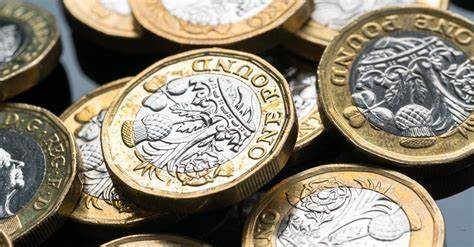
The British Pound Sterling (GBP) and the Singapore Dollar (SGD) are two prominent currencies in the global economy. Understanding the exchange rate between these two currencies is essential for travelers, businesses, and individuals involved in international transactions.
In this article, we will delve into the factors that influence the GBP to SGD exchange rate, explore historical trends, and provide insights for those looking to convert between these currencies.
Understanding the GBP to SGD Exchange Rate
The GBP to SGD exchange rate represents the value of one British Pound Sterling in terms of Singapore Dollars. It fluctuates based on various economic and geopolitical factors that affect the supply and demand of both currencies.
Key Factors Affecting the GBP to SGD Exchange Rate
Economic Indicators:
Interest Rates: Differences in interest rates between the UK and Singapore can influence the exchange rate. Higher interest rates in the UK tend to attract foreign investment, which can strengthen the GBP. Conversely, higher interest rates in Singapore may lead to a stronger SGD.
Inflation: Inflation rates in both countries play a significant role. If the UK’s inflation rate is higher than Singapore’s, the GBP may depreciate relative to the SGD.
Gross Domestic Product (GDP): The economic growth of the UK and Singapore can impact their currencies. A stronger economy often leads to a stronger currency.
Trade Balance: The balance of trade between the UK and Singapore can affect the exchange rate. A trade surplus in favor of one country can strengthen its currency.
Geopolitical Events:
Political Instability: Political unrest or uncertainty in either country can lead to currency volatility. Investors may seek safe haven currencies, such as the US dollar, which can indirectly impact the GBP to SGD exchange rate.
Global Events: Global events, such as wars, natural disasters, or economic crises, can create uncertainty and affect currency markets.
Market Sentiment:
Speculation: Speculation and market sentiment can significantly influence exchange rates. Traders may purchase or sell currencies based on their predictions about future price changes.
Historical Trends in the GBP to SGD Exchange Rate
The GBP to SGD exchange rate has been subject to fluctuations over time. It has been influenced by various factors, including economic crises, political events, and changes in global trade patterns.
Converting GBP to SGD: Tips and Considerations
Currency Exchange Services:
Banks: Many banks offer currency exchange services, but they often charge fees or unfavorable exchange rates.
Foreign Exchange Bureaus: These specialized businesses typically offer competitive exchange rates and may have better hours than banks.
Online Currency Exchanges: Online platforms allow you to convert currencies at competitive rates, but be cautious of potential scams and hidden fees.
Timing Your Conversion:
Monitor Exchange Rates: Keep track of exchange rate fluctuations to determine the best time to convert your GBP.
Consider Forward Contracts: If you need to convert a large amount of GBP in the future, a forward contract can help you lock in an exchange rate.
Fees and Charges:
Be Aware of Fees: Be mindful of any fees or commissions associated with currency exchange services.
Compare Rates: Shop around for the best exchange rates to avoid paying excessive fees.
Additional Considerations for Travelers
ATMs: Many ATMs in Singapore accept foreign cards, but be aware of potential fees charged by your bank and the ATM operator.
Credit Cards: Using a credit card for purchases in Singapore can be convenient, but be mindful of exchange rate fees and potential interest charges.
Negotiation: In Singapore, prices are generally fixed and negotiation is less common compared to some other countries.
FAQs
What is the current exchange rate between GBP and SGD?
The exchange rate between British pounds (GBP) and Singapore dollars (SGD) fluctuates due to various factors, including economic indicators, market demand, and geopolitical events. To find the most accurate and current exchange rate, you can check financial news websites, currency converter tools, or your bank’s currency exchange section. As an example, the rate might be around 1 GBP to approximately 1.70 SGD, but this can vary significantly. It’s essential to monitor these rates regularly, as they can change throughout the day based on market conditions, impacting the amount you receive during an exchange.
How can I convert GBP to SGD?
There are several methods to convert British pounds to Singapore dollars:
Banks: Most banks offer currency exchange services. However, they may charge higher fees or offer less favorable rates compared to other options. It’s advisable to inquire about the rates and any associated fees before proceeding.
Currency exchange offices: Dedicated currency exchange services, often found in airports, tourist areas, and major cities, typically provide competitive rates for immediate cash needs. It’s a good idea to compare rates among different providers.
Online platforms: Services like Wise (formerly TransferWise) and Revolut allow you to exchange currencies online, often at better rates and lower fees than traditional banks. These platforms can be particularly advantageous for larger amounts or frequent transactions.
ATMs: Withdrawing SGD directly from an ATM while in Singapore can be convenient. However, be aware of potential fees from your bank for international withdrawals and ensure that your card supports international transactions.
By comparing the rates and fees from these various sources, you can find the most favorable option for your currency exchange needs.
Are there fees associated with exchanging GBP to SGD?
Yes, fees are often associated with exchanging GBP to SGD, and these can vary based on the method you choose:
Commission fees: Some currency exchange providers charge a flat fee or a percentage of the total amount being exchanged.
Service charges: Banks and currency exchange offices may impose service fees for their transactions.
Exchange rate spread: This refers to the difference between the buying rate and the selling rate. For instance, if a provider buys GBP at 1.68 SGD and sells it at 1.72 SGD, the spread of 0.04 SGD represents a cost to you.
Understanding these potential fees is crucial when comparing options, as they can significantly impact the total amount you receive during the exchange.
Is it better to exchange GBP to SGD in the UK or in Singapore?
The decision to exchange GBP to SGD in the UK or Singapore depends on several factors:
Exchange rates: Rates can differ significantly between countries. Sometimes, it may be more advantageous to exchange money in the UK, while in other cases, Singapore might offer better rates.
Convenience: If you are traveling, it may be easier to exchange a small amount before you leave to cover immediate expenses upon arrival in Singapore. However, exchanging larger amounts in Singapore could yield better rates.
Availability: In certain regions, access to currency exchange services may be limited. If you’re traveling to less populated areas in Singapore, having some SGD on hand when you arrive can be beneficial.
Researching and comparing rates ahead of time will help you make the best decision based on your specific travel plans and needs.
The GBP to SGD exchange rate is influenced by a complex interplay of economic, geopolitical, and market factors. Understanding these factors can help individuals and businesses make informed decisions when converting between these currencies.
By monitoring exchange rates, comparing different conversion options, and considering factors such as fees and timing, you can maximize the value of your GBP to SGD transactions.
To read more, Click here
Leave a Reply