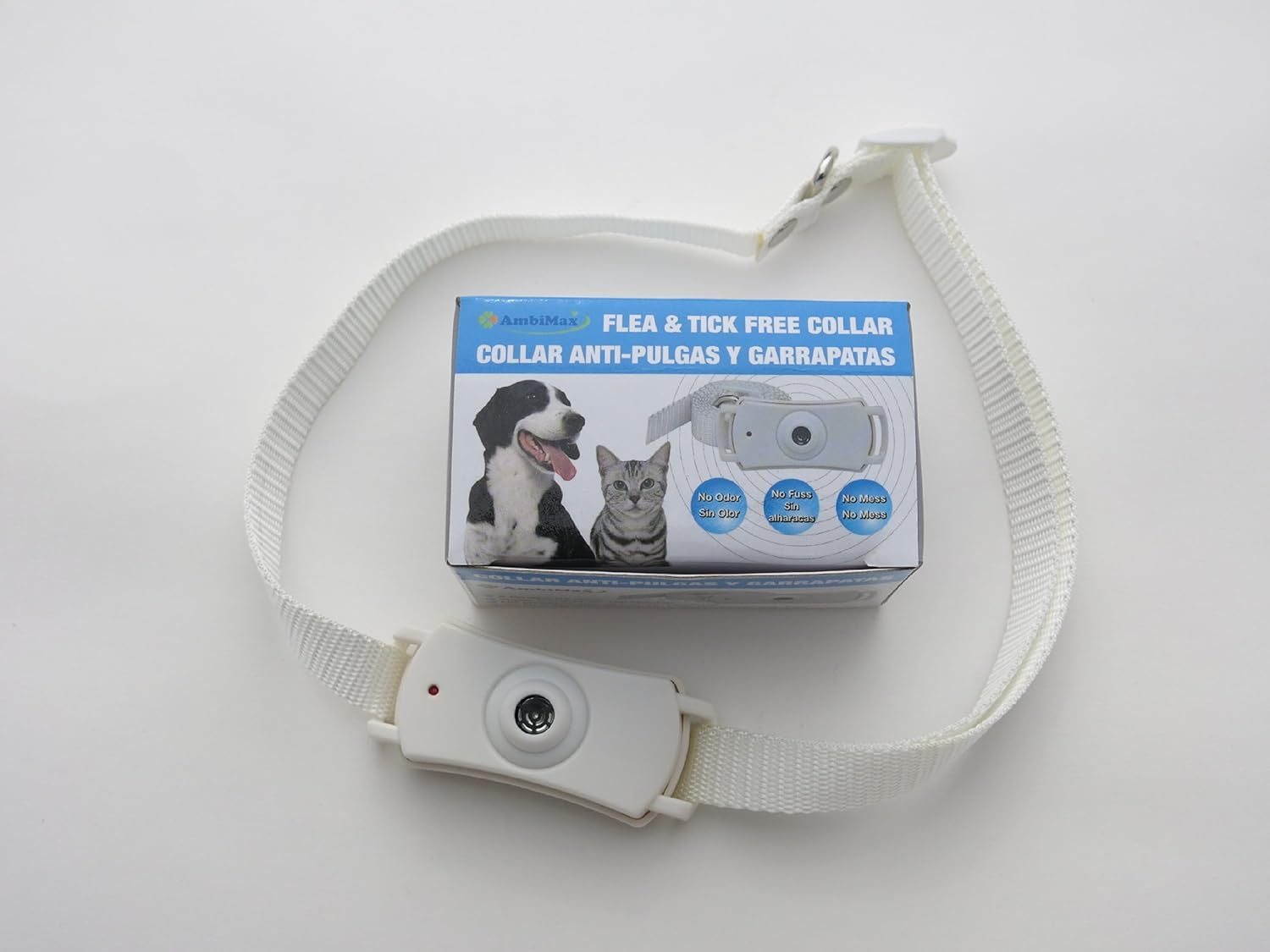
Flea and tick collars have become a popular solution for pet owners looking to protect their furry friends from the discomfort and potential health issues caused by parasites. These collars are designed to repel and kill fleas, ticks, and other pests, providing pets with long-term protection. In this comprehensive article, we’ll dive deep into everything you need to know about flea and tick collars, answering the most common questions people have been asking on Google and YouTube.
What Are Flea and Tick Collars?
Flea and tick collars are bands worn around the neck of a dog or cat to protect them from parasitic pests like fleas and ticks. These collars are infused with active ingredients that either repel or kill fleas, ticks, and other parasites. They work by releasing these substances gradually over time, spreading across the pet’s skin and fur to form a protective barrier.
How Do Flea and Tick Collars Work?
Flea and tick collars work in two main ways:
Repellent action: Some collars release chemicals that repel fleas and ticks, preventing them from biting or attaching to your pet.
Insecticide action: Others contain insecticides that kill fleas and ticks upon contact, or once they attempt to bite.
The collar slowly releases the active BMW M2 Car Leasing ingredients over time, which then distribute across the pet’s skin and fur through natural oils. Depending on the brand and type, the protection from these collars can last anywhere from a few months to eight months or longer.
Types of Flea and Tick Collars
There are two primary types of flea and tick collars, each with different active ingredients and methods of action:
Chemical collars: These collars use synthetic pesticides like imidacloprid, flumethrin, or permethrin to kill fleas and ticks. They can be highly effective and provide long-lasting protection.
Natural collars: For those looking for a chemical-free option, natural collars are infused with essential oils like citronella, cedarwood, or lavender, which repel fleas and ticks. While they are less potent than chemical collars, they are preferred by pet owners who want a natural approach to parasite control.
Benefits of Using Flea and Tick Collars
There are several benefits to using flea and tick collars, making them a popular choice for pet owners:
Long-lasting protection: Some collars provide protection for up to eight months, eliminating the need for frequent reapplications like with spot-on treatments or oral medications.
Convenience: Once applied, flea and tick collars require minimal maintenance, allowing pet owners to focus on other aspects of pet care.
Cost-effective: Many flea and tick collars are more affordable than monthly treatments and can offer long-term savings.
Whole-body protection: The active ingredients in flea collars spread throughout the pet’s skin, offering protection across the entire body, including harder-to-reach areas like the tail and neck.
Water resistance: Many modern collars are water-resistant, meaning your pet can enjoy outdoor activities, bathe, or swim without reducing the effectiveness of the collar.
Common Concerns and Questions About Flea and Tick Collars
1. Are Flea and Tick Collars Safe for Pets?
One of the most common concerns Electric Cook Stoves among pet owners is whether flea and tick collars are safe for their pets. Generally, these collars are considered safe when used according to the manufacturer’s instructions. However, some pets may experience skin irritation or allergic reactions to the ingredients in the collar.
Pet owners should closely monitor their pets after applying a flea and tick collar, and if any signs of irritation, redness, or discomfort occur, they should remove the collar and consult a veterinarian. It’s also essential to choose the right collar based on your pet’s size, age, and species (cat or dog), as some ingredients in dog collars can be toxic to cats.
2. How Long Does It Take for a Flea and Tick Collar to Work?
The time it takes for a flea and tick collar to start working varies based on the product and the level of infestation. Most collars begin to release their active ingredients within 24 hours of being applied. For full protection, it may take a few days. Collars designed to kill fleas and ticks usually begin reducing the population within the first 48 hours, though some pets may experience quicker results.
3. Can Flea and Tick Collars Be Used With Other Treatments?
Yes, in many cases, flea and tick collars can be used alongside other flea control methods, such as spot-on treatments or oral medications. However, pet owners should consult their veterinarian before combining treatments to ensure the ingredients won’t cause adverse reactions.
4. How Often Should Flea and Tick Collars Be Replaced?
The longevity of flea and tick collars depends on the brand and type. Some collars last for up to eight months, while others may need to be replaced every three to six months. It’s crucial to follow the manufacturer’s guidelines to ensure that your pet remains fully protected.
5. Are Flea and Tick Collars Safe for Puppies and Kittens?
Not all flea and tick collars have become a popular are safe for young animals. Most collars are designed for use on pets over eight weeks of age, but this can vary depending on the product. It’s important to check the packaging to ensure that the collar is suitable for your pet’s age and size. If you’re uncertain, consulting with a veterinarian is the best course of action.
Flea and Tick Collar Alternatives
While flea and tick collars are highly effective, some pet owners may prefer to use alternative treatments, especially for pets with sensitive skin or allergies. Here are a few alternatives:
Spot-on treatments: These topical solutions are applied to the back of the pet’s neck and can provide protection for up to a month.
Oral medications: Flea and tick pills can kill parasites from the inside out, offering long-lasting protection with minimal application effort.
Shampoos and sprays: Flea shampoos and sprays can provide immediate relief from fleas and ticks but often require more frequent application.
Home and yard treatments: In addition to treating your pet, it’s essential to control the flea population in your home and yard. Environmental treatments such as flea bombs, powders, or sprays can help reduce infestations.
To read more, Click Here
Leave a Reply