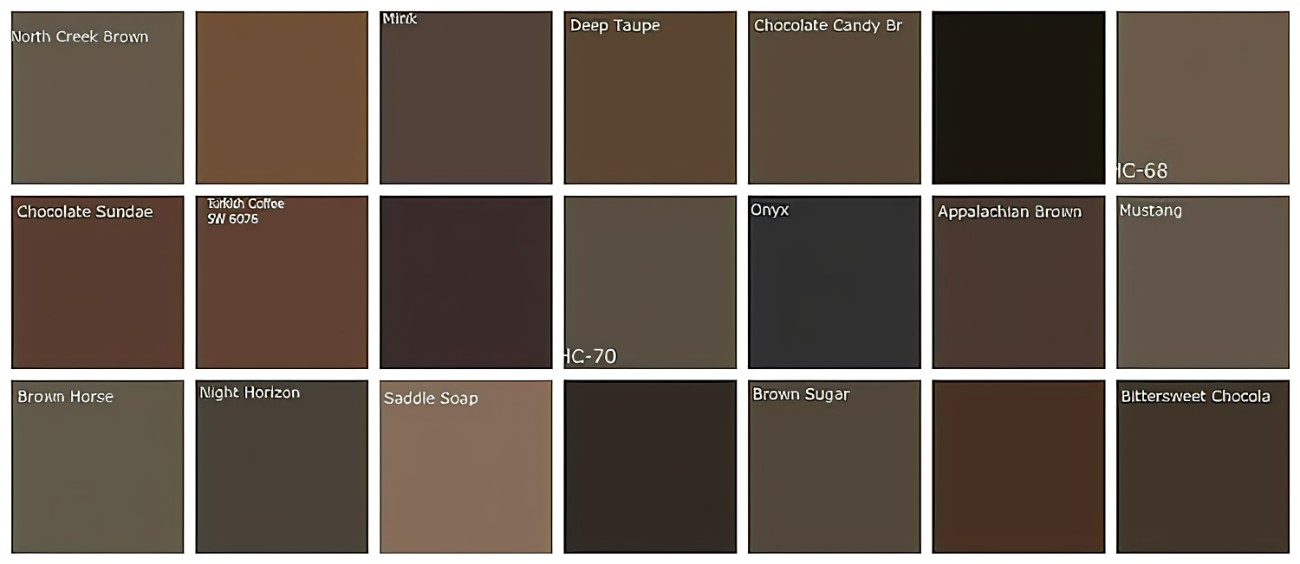
Brown is a complex color that can be created in various ways. It is often described as a warm, earthy, and natural color, commonly found in nature and everyday objects. In this article, we will delve into the science of brown, exploring the different ways it can be formed, its cultural significance, and its applications in various fields.
The Color Wheel and Brown
Brown is not a primary color, meaning it cannot be created by mixing just two primary colors (red, yellow, and blue). Instead, brown is a secondary color that results from combining a primary color with its complementary color.
Red + Green = Brown: This is the most common way to create brown. Mixing red and green in varying proportions can produce different shades of brown.
Orange + Blue = Brown: Combining orange and blue can also result in brown, especially when the orange is more muted and the blue is darker.
Yellow + Purple = Brown: Mixing yellow and purple can create a brownish shade, but it may be more difficult to achieve a pure brown tone using these colors.
Shades of Brown
Brown comes in many different shades, ranging from light tan to dark chocolate. The specific shade of brown depends on the proportions of the colors used to create it. Here are some typical colors of brown:
Tan: A light, warm shade of brown often associated with skin color.
Beige: A neutral shade of brown, often described as a light gray-brown.
Hazel: A light brown color with a hint of green or yellow.
Chocolate: A deep, rich brown color, often associated with chocolate.
Mahogany: A dark, reddish-brown color.
Saddle Brown: A dark brown color with a reddish undertone.
Cultural Significance of Brown
Brown has cultural significance in many societies. It is often associated with the earth, nature, and stability. In some cultures, brown is considered a lucky color, while in others, it may be associated with humility or seriousness.
Applications of Brown
Brown is a versatile color with many applications in various fields:
Art and Design: Brown is a popular color in painting, drawing, and interior design.It is frequently utilized to create a warm and welcoming atmosphere.
Fashion: Brown is a classic color in fashion, used in clothing, accessories, and footwear.
Food and Beverage: Brown is a common color in many foods and beverages, such as chocolate, coffee, and bread.
Psychology: Brown is often associated with feelings of comfort, security, and grounding.
FAQs
What primary colors are used to make brown?
Brown is a secondary color that can be created by mixing primary colors. The basic hues on the classic color wheel are red, blue, and yellow. To create brown, you can mix:
Red and Green: When red (a primary color) is mixed with green (a secondary color made from blue and yellow), it produces brown. This is because green is made from blue and yellow, so mixing red with green introduces a combination of all three primary colors.
Red and Blue with Yellow: Another method involves mixing red and blue (which creates purple) and then adding yellow. The yellow adds warmth and helps shift the color towards brown.
How do you make brown using complementary colors?
Complementary colors are those that are opposite each other on the color wheel. Mixing complementary colors produces a range of neutral or brownish tones. Here’s how you can use complementary colors to make brown:
Orange and Blue: Since orange and blue are complementary colors, mixing them can yield various shades of brown. The ratio of orange to blue can affect the final shade of brown.
Purple and Yellow: Similarly, purple and yellow are complementary colors. When mixed, they produce brown. Adjusting the proportions can change the tone and warmth of the brown.
Can you make brown by mixing all three primary colors?
Yes, you can make brown by mixing all three primary colors (red, blue, and yellow). Here’s how it works:
Equal Proportions: Mixing equal parts of red, blue, and yellow will produce a shade of brown. The specific shade of brown can be adjusted by varying the proportions of each primary color.
Adjustments: Adding more of one primary color (for instance, more red or yellow) will alter the tone of the brown, making it warmer or cooler.
What secondary colors can be mixed to create brown?
Secondary colors are created by combining two basic colors. Brown can be created by mixing secondary colors:
Green and Red: Since green is made from blue and yellow, mixing it with red brings together all three primary colors, resulting in brown.
Orange and Green: Orange (made from red and yellow) mixed with green (made from blue and yellow) can produce a brownish color, depending on the proportions.
How does the addition of white or black affect the brown color?
The addition of white or black to brown can significantly alter its appearance:
Adding White: Adding white to brown creates various shades of beige or tan. This process is called tinting. The more white you add, the lighter the shade of brown becomes.
Adding Black: Adding black to brown results in darker shades, such as chocolate or espresso brown. This process is known as shading. The more black you add, the deeper and richer the brown becomes.
What role does color theory play in creating brown?
Color theory helps explain how colors interact and mix to create new colors. When it comes to brown:
Neutralization: Brown is often created through the neutralization of colors. For example, mixing complementary colors or combining primary colors in specific proportions neutralizes the brightness and results in brown.
Hue, Saturation, and Value: Understanding these aspects of color helps in achieving the desired shade of brown. Hue refers to the color itself, saturation describes its intensity, and value denotes its lightness or darkness.
Brown is a complex and versatile color with a rich history and cultural significance. It can be created in various ways by combining different colors, and it comes in a wide range of shades. Brown is a popular color in art, fashion, food, and psychology, and it continues to be a significant part of our world.
To read more, Click here
Leave a Reply