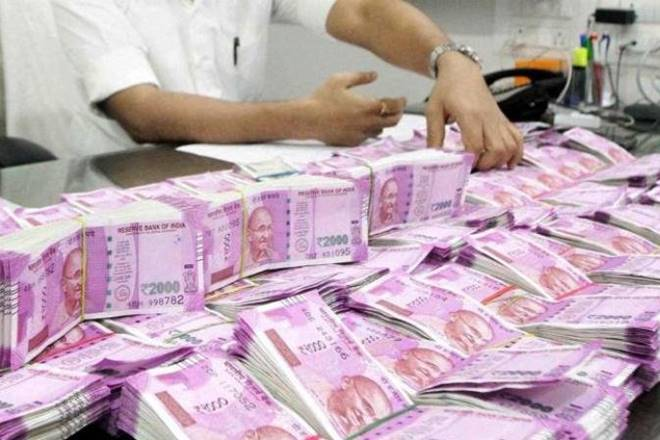
The GBP/INR exchange rate is the value of the British Pound Sterling (GBP) compared to the Indian Rupee (INR). It’s a crucial metric for businesses, travelers, and investors who are involved in transactions between the United Kingdom and India.
Factors Affecting the GBP/INR Exchange Rate
Several factors can influence the GBP/INR exchange rate, including:
Economic Indicators: The UK and India’s respective economic performances are important. Factors like GDP growth, inflation rates, interest rates, and unemployment can impact the exchange rate.
Political Stability: Political instability in either country can create uncertainty and lead to fluctuations in the exchange rate.
Trade Relations: The volume of trade between the UK and India can affect the exchange rate. Increased trade can lead to a higher demand for the respective currencies.
Market Sentiment: Investor sentiment and speculation can also drive the exchange rate.
Positive news about either economy can lead to an appreciation of the currency, while negative news can cause a depreciation.
Geopolitical Events: Global events, such as wars, natural disasters, or trade disputes, can impact the exchange rate.
Historical Trends in the GBP/INR Exchange Rate
The GBP/INR exchange rate has fluctuated over time, reflecting changes in the economic and political conditions of both countries. To get a better understanding of historical trends, it’s helpful to analyze charts and data.
Converting GBP to INR
If you need to convert GBP to INR, you can use a currency converter tool or consult with a financial institution. The conversion rate will vary depending on the current market conditions.
Investing in GBP/INR
Investors can speculate on the GBP/INR exchange rate by trading currency pairs. This involves buying one currency and selling another, hoping to profit from fluctuations in the exchange rate. However, currency trading can be risky, and it’s important to understand the potential risks and rewards before investing.
GBP/INR Exchange Rate Forecast
Predicting future exchange rates is challenging, as it depends on a variety of factors. However, analysts and economists often provide forecasts based on their analysis of economic indicators and market trends.
FAQs
What is the current British Pound to Indian Rupee conversion rate?
As of today, the exchange rate of the British Pound (GBP) to the Indian Rupee (INR) fluctuates based on market dynamics and economic indicators. Currently, 1 GBP is typically valued between 100 and 110 INR, although this rate can vary daily due to factors such as geopolitical events, economic data releases, and market sentiment. To get the most accurate and up-to-date exchange rate, it’s advisable to check financial news websites, forex trading platforms, or your bank. The foreign exchange market operates 24 hours, and the rates can change rapidly, influenced by a wide array of factors including central bank policies and international trade developments.
What factors influence the GBP to INR exchange rate?
Several factors significantly influence the GBP to INR exchange rate. Key among these are economic indicators such as inflation rates, interest rates, and GDP growth in both the UK and India. For instance, if the UK experiences strong economic growth or lower unemployment, it may lead to a stronger Pound as investors seek to invest in British assets. Conversely, economic challenges in India, such as high inflation or a trade deficit, can weaken the Rupee against the Pound. Additionally, political stability, changes in monetary policy by the Bank of England or the Reserve Bank of India, and global economic conditions play crucial roles in determining the exchange rate. Events such as Brexit have historically added volatility to the GBP, directly impacting its value against currencies like the INR.
How can I convert Indian Rupees into British Pounds?
Exchanging British Pounds for Indian Rupees can be done through various methods. Currency exchange services are available at banks, airports, and dedicated currency exchange bureaus. Banks typically offer a reliable option, but they may charge higher fees or offer slightly less favorable rates than specialized currency exchange services. Online platforms and apps also allow for currency exchange, often providing competitive rates with the convenience of processing transactions from home. If you’re traveling to India, withdrawing Rupees from ATMs may be another option, though be aware that transaction fees may apply. Always compare rates and fees before making any exchanges to ensure you’re getting the best deal.
Is it better to exchange currency before traveling to India or upon arrival?
The decision to exchange currency before traveling to India or upon arrival can depend on several factors, including convenience, exchange rates, and personal preferences. Exchanging currency in advance may provide a sense of security and allow you to lock in a favorable exchange rate, particularly if you have been monitoring rates. However, exchange rates fluctuate, and you might miss out on a better rate available in India. Conversely, exchanging currency upon arrival can sometimes yield more favorable rates, especially at local banks or trusted exchange services. It’s usually advisable to have a small amount of cash on hand for immediate expenses like transportation but plan to exchange the bulk of your currency once you arrive for potentially better rates.
How do economic conditions in the UK and India affect the GBP/INR exchange rate?
Economic conditions in both the UK and India significantly affect the GBP/INR exchange rate. For instance, if the UK economy shows signs of robust growth, with low unemployment and rising consumer confidence, the Pound may strengthen against the Rupee. This is particularly relevant during periods of stable economic policy or positive trade balances. Conversely, economic difficulties in India, such as rising inflation or political uncertainty, can lead to a weaker Rupee. Additionally, external factors such as global oil prices, trade relations, and foreign investment can create ripple effects in currency valuations. The interplay between these economies highlights how interconnected global markets are and how they impact currency exchange rates.
The GBP/INR exchange rate is an important factor for businesses, travelers, and investors involved in transactions between the UK and India. Understanding the factors that influence the exchange rate can help you make informed decisions about your financial activities.
To read more, Click here
Leave a Reply