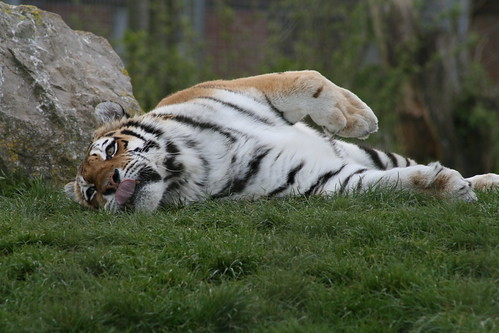
The internet, a vast digital expanse, is often teeming with misinformation and sensationalism. One such myth that has gained traction in recent years is the notion of a “tiger with Down syndrome.” This claim, while undeniably intriguing, is fundamentally incorrect. There are several reasons why such a condition is impossible in tigers.
Understanding Down Syndrome
Before diving into why a tiger cannot have Down syndrome, it’s crucial to understand what Down syndrome is. An additional copy of chromosome 21 is the genetic cause of the disorder. This additional chromosome disrupts the normal development of various parts of the body, leading to physical and cognitive challenges.
Genetic Differences Between Humans and Tigers
The primary reason why tigers cannot have Down syndrome is due to the significant genetic differences between humans and tigers. While both are mammals, our genetic makeup is vastly different. Humans have 23 pairs of chromosomes, while tigers have 19 pairs. The specific genes on each chromosome also vary greatly, making it impossible for a tiger to have an extra copy of chromosome 21, which is the hallmark of Down syndrome in humans.
The Myth of “Tiger Cubs with Special Needs”
The misconception of a “tiger with Down syndrome” often stems from instances of tiger cubs born with birth defects or abnormalities. These conditions can sometimes be mistaken for Down syndrome, leading to the spread of misinformation. However, it’s important to note that these birth defects are not related to Down syndrome and are typically caused by other factors, such as genetic mutations, infections, or environmental influences.
The Importance of Accurate Information
It’s crucial to debunk the myth of the “tiger with Down syndrome” to prevent the spread of misinformation and to protect the well-being of both tigers and humans. Misinformation can lead to unnecessary concerns, misconceptions, and even harmful actions. By understanding the true nature of Down syndrome and the genetic differences between humans and tigers, we can dispel this myth and promote accurate information.
FAQs
Can animals have Down syndrome?
Down syndrome, or Trisomy 21, is a genetic condition caused by the presence of an extra chromosome 21 in humans. While some animals can exhibit genetic disorders that lead to physical or behavioral abnormalities, the specific condition of Down syndrome is unique to humans. Animals can have similar genetic conditions, but these do not equate to Down syndrome as it occurs in humans.
What are some signs of genetic disorders in animals?
Animals, including tigers, can show signs of genetic disorders through various physical and behavioral traits. Common signs may include:
Physical Abnormalities: These can include unusual body shapes, sizes, or features. In tigers, this might manifest as different fur patterns or malformations of the limbs or face.
Behavioral Changes: Animals might display unusual behaviors, such as decreased social interaction or altered responses to stimuli.
Health Issues: Genetic disorders can lead to increased susceptibility to diseases or developmental issues, impacting the animal’s overall well-being.
Are there documented cases of tigers with genetic abnormalities?
Yes, there have been instances where tigers and other big cats have exhibited genetic abnormalities. These cases often arise due to inbreeding, especially in captive breeding programs aimed at preserving certain traits. Inbreeding can result in a range of health issues, including immune deficiencies and physical deformities.
How do genetic disorders affect tigers in the wild?
In the wild, tigers with genetic disorders may struggle to survive. Traits that significantly impair an animal’s ability to hunt, mate, or escape predators can lead to reduced fitness. This means that such traits are less likely to be passed on to future generations. Natural selection typically favors healthier individuals, helping maintain the overall health of the population.
What are the challenges of breeding tigers in captivity?
Captive breeding programs face several challenges, particularly concerning genetic diversity. Over time, breeding closely related individuals can lead to inbreeding depression, which may increase the risk of genetic disorders. Additionally, the limited gene pool can reduce the population’s resilience against diseases and environmental changes. Conservationists aim to balance the need for genetic diversity with the desire to maintain specific traits in captive tigers.
How does public perception affect tigers with perceived disabilities?
The perception of animals with disabilities or genetic abnormalities can vary widely among the public. Many people find these animals fascinating and feel a sense of compassion, while others may see them as less “fit” or undesirable. This perception can influence funding for conservation efforts, breeding programs, and public interest in educational outreach about wildlife.
What can be done to support tigers with genetic issues?
Efforts to support tigers with genetic issues focus on both care and conservation:
Sanctuaries and Rehabilitation Centers: These facilities can provide specialized care for tigers with disabilities, ensuring they have a safe and healthy environment.
Genetic Research: Continued research into the genetics of tigers can help identify potential issues and inform breeding practices that prioritize genetic diversity and overall health.
Public Awareness Campaigns: Educating the public about the challenges faced by tigers, including those with genetic abnormalities, can help foster a greater understanding and support for conservation initiatives.
What role do zoos play in the conservation of tigers?
Zoos can play a crucial role in tiger conservation, particularly for species that are endangered. Many accredited zoos participate in breeding programs designed to maintain genetic diversity and reintroduce healthy individuals into the wild. These programs often include careful genetic testing and management to avoid inbreeding.
Additionally, zoos serve as educational platforms, raising awareness about the threats facing wild tiger populations and inspiring action to protect their habitats.
The notion of a “tiger with Down syndrome” is a fascinating but incorrect claim. Understanding the genetic differences between humans and tigers, as well as the true nature of Down syndrome, is essential to debunking this myth. By promoting accurate information and supporting conservation efforts, we can help protect the well-being of tigers and ensure their continued survival.
It is imperative to dispel such misconceptions and foster a culture of accurate and responsible information sharing. By doing so, we can contribute to the preservation of these magnificent creatures and their vital role in our planet’s ecosystem.
To read more, Click here
Leave a Reply