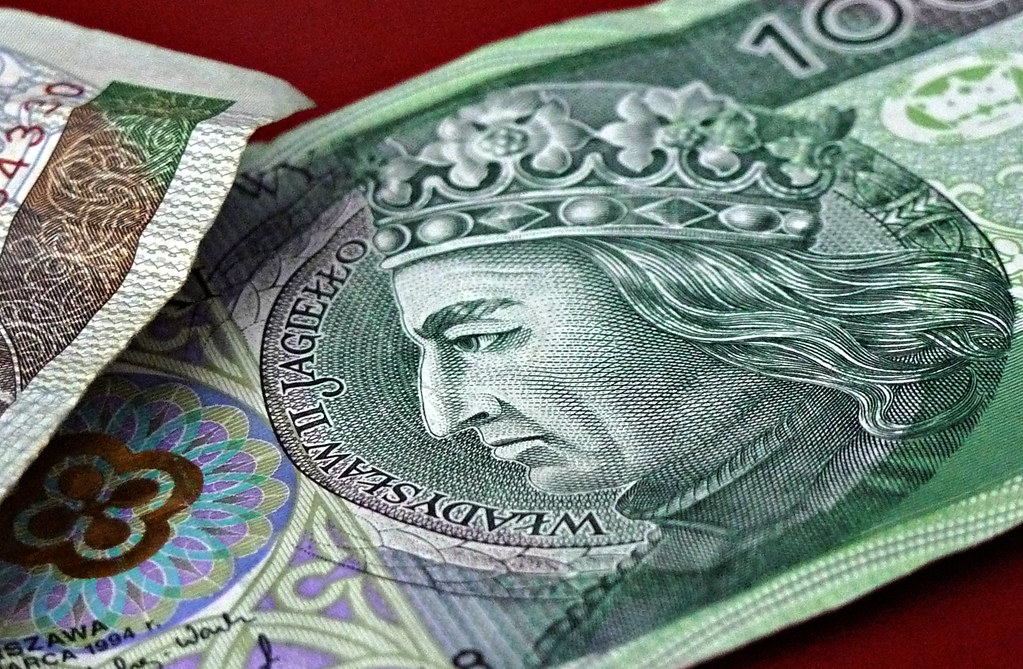
The GBP/PLN exchange rate is the value of the British Pound Sterling (GBP) compared to the Polish Zloty (PLN). It’s a crucial metric for businesses, travelers, and investors who are involved in transactions between the United Kingdom and Poland.
Factors Affecting the GBP/PLN Exchange Rate
Several factors can influence the GBP/PLN exchange rate, including:
Economic Indicators: The economic performance of both the UK and Poland plays a significant role. Factors like GDP growth, inflation rates, interest rates, and unemployment can impact the exchange rate.
Political Stability: Political instability in either country can create uncertainty and lead to fluctuations in the exchange rate.
Trade Relations: The volume of trade between the UK and Poland can affect the exchange rate. Increased trade can lead to a higher demand for the respective currencies.
Market Sentiment: Investor sentiment and speculation can also drive the exchange rate. Positive news about either economy can lead to an appreciation of the currency, while negative news can cause a depreciation.
Geopolitical Events: Global events, such as wars, natural disasters, or trade disputes, can impact the exchange rate.
Historical Trends in the GBP/PLN Exchange Rate
The GBP/PLN exchange rate has fluctuated over time, reflecting changes in the economic and political conditions of both countries. To get a better understanding of historical trends, it’s helpful to analyze charts and data.
Converting GBP to PLN
If you need to convert GBP to PLN, you can use a currency converter tool or consult with a financial institution.Depending on the state of the market right now, the conversion rate will change.
Investing in GBP/PLN
Investors can speculate on the GBP/PLN exchange rate by trading currency pairs. This involves buying one currency and selling another, hoping to profit from fluctuations in the exchange rate. However, currency trading can be risky, and it’s important to understand the potential risks and rewards before investing.
GBP/PLN Exchange Rate Forecast
Predicting future exchange rates is challenging, as it depends on a variety of factors. However, analysts and economists often provide forecasts based on their analysis of economic indicators and market trends.
FAQs
What is the current British Pound to Polish Zloty conversion rate?
The exchange rate between the British Pound (GBP) and the Polish Zloty (PLN) fluctuates continuously due to various economic factors and market dynamics. As of the latest data, 1 GBP typically exchanges for approximately 5.30 to 5.80 PLN, though this rate can vary significantly throughout the day. To obtain the most accurate and up-to-date exchange rate, it’s advisable to check reliable financial news websites or use currency converter tools that provide real-time information. Exchange rates are influenced by supply and demand in the foreign exchange market, meaning the actual rate you receive may differ based on where you exchange your currency, whether at banks, exchange bureaus, or online platforms. Being aware of the current rates is essential for travelers and businesses involved in currency exchange.
What factors influence the GBP to PLN exchange rate?
Several key factors influence the GBP/PLN exchange rate. Economic indicators from both the UK and Poland play a critical role. For instance, inflation rates, interest rates, and Gross Domestic Product (GDP) growth impact the strength of each currency. If the Bank of England raises interest rates, it could strengthen the Pound as it attracts foreign investment. Conversely, high inflation in Poland can weaken the Zloty, affecting its value against the Pound. Political stability is another essential factor; political uncertainty in either country can lead to fluctuations in investor confidence and, subsequently, currency values. Additionally, external factors such as global market trends, commodity prices, and trade balances also affect the exchange rate, reflecting the broader economic health and investor sentiment toward each country.
How can I convert Polish Zloty into British Pounds?
Exchanging British Pounds for Polish Zloty can be done through several channels. Currency exchange services are widely available at banks, airports, and specialized exchange bureaus. While banks generally provide secure and trustworthy transactions, they may charge higher fees or offer less favorable rates than dedicated currency exchange services. Online platforms and mobile apps have become increasingly popular for currency exchange, often providing competitive rates with lower fees. If you are traveling to Poland, withdrawing Zloty from ATMs upon arrival is another convenient option; however, be mindful of any international transaction fees that may apply. To ensure you get the best deal, it’s wise to compare rates and fees from various sources before making any transactions.
Is it better to exchange currency before traveling to Poland or upon arrival?
Whether to exchange currency before traveling to Poland or upon arrival depends on several factors, including current exchange rates and personal preferences. Exchanging currency in advance can provide peace of mind, allowing travelers to lock in a favorable rate if they have been monitoring the market. However, because exchange rates fluctuate, travelers might miss out on potentially better rates available in Poland. Conversely, exchanging currency upon arrival may yield more favorable rates, particularly at local banks or authorized exchange services. It is often recommended to carry a small amount of cash for immediate expenses, such as transportation from the airport, but to exchange the majority of your currency once in Poland to take advantage of potentially better rates.
How do economic conditions in the UK and Poland affect the GBP/PLN exchange rate?
Economic conditions in both the UK and Poland directly influence the GBP/PLN exchange rate. For instance, if the UK economy is performing well, characterized by low unemployment and rising consumer confidence, it can strengthen the Pound against the Zloty. Conversely, if Poland experiences economic challenges such as high inflation or slow growth, it can weaken the Zloty, affecting its exchange rate with the GBP. Factors such as foreign investment levels, trade balances, and overall market sentiment toward each country also contribute to currency valuation. For example, positive economic news from Poland, such as an increase in exports or foreign direct investment, may boost investor confidence in the Zloty, strengthening its position against the Pound.
The GBP/PLN exchange rate is an important factor for businesses, travelers, and investors involved in transactions between the UK and Poland. Understanding the factors that influence the exchange rate can help you make informed decisions about your financial activities.
To read more, Click here
Leave a Reply