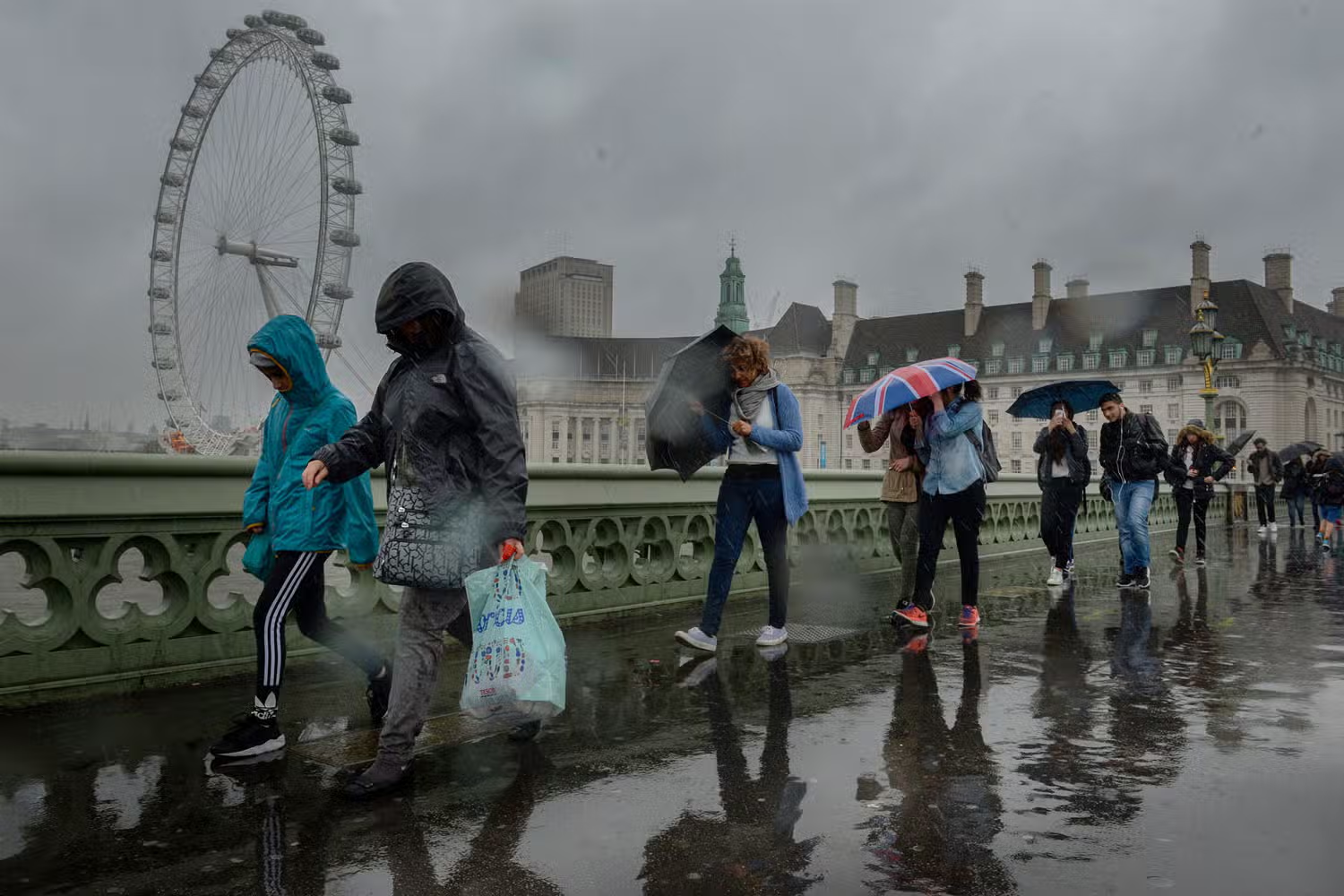
London is a city that is known for its iconic landmarks, rich history, and vibrant culture. However, one phenomenon has been making headlines in recent years: the London Storm. This powerful weather event has left people in awe and fear, as it brings severe disruptions and a dramatic change to the city’s atmosphere. Let’s dive into what the London Storm is, its causes, effects, and how it has shaped the city’s landscape.
What Is the London Storm?
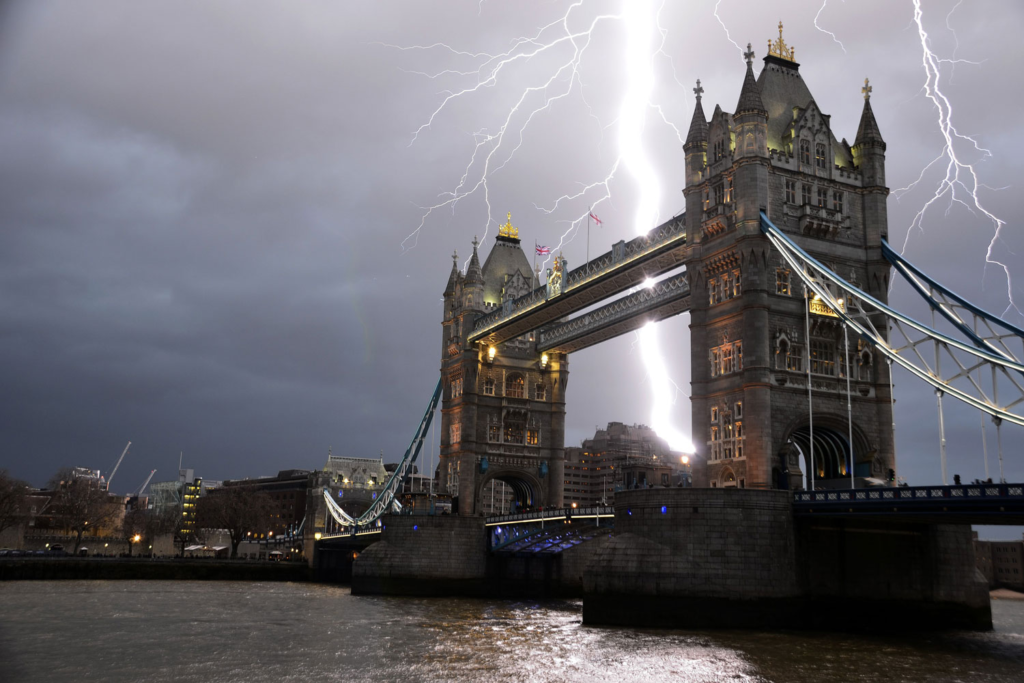
The London Storm is not just a passing rain shower or a typical windstorm. It’s a rare yet intense weather event that combines heavy rain, strong winds, and sometimes, lightning strikes, causing significant disruption. These storms are often unpredictable and can emerge unexpectedly, leaving residents and visitors in shock.
The Nature of the Storm
Unlike regular storms, the London Storm is notorious for its sudden onset. One moment, the skies can be clear, and within minutes, dark clouds roll in. The storms can last anywhere from a few minutes to several hours. The key feature of the storm is the intensity of its rain, wind, and lightning. It can be fierce enough to cause flooding, fallen trees, and damage to buildings.
Frequency and Timing of the Storm
While the London Storm isn’t a year-round event, it tends to occur more frequently during specific seasons. The most common times for such storms are in the late summer and autumn. This is because these seasons are marked by changes in temperature and moisture levels, making the atmosphere more conducive to powerful storms.
Causes of the London Storm
Understanding the causes behind the London Storm requires a closer look at the weather patterns. These storms are often triggered by a combination of natural factors, including temperature differences, wind patterns, and atmospheric pressure.
Atmospheric Instability
One of the main contributors to the London Storm is atmospheric instability. When warm air from the ground rises and meets cooler air higher up, it creates the ideal conditions for storms. This instability causes air to swirl, leading to the formation of storm clouds, thunder, and lightning.
Urban Heat Island Effect
London, like many large cities, experiences the “urban heat island effect.” This means that the city’s buildings, roads, and infrastructure absorb and retain heat. During the summer months, this accumulated heat can intensify storms, making them more severe. The heat encourages air currents that can further destabilize the atmosphere, triggering storms.
Wind Patterns and Pressure Systems
Wind patterns also play a significant role in the formation of the London Storm. The city lies in an area where different air masses often collide, creating pressure systems that can lead to turbulent weather. When these air masses interact, they can cause rapid changes in wind speed and direction, contributing to the intensity of the storm.
Effects of the London Storm
When the London Storm hits, it doesn’t just affect the weather. Its impact can be seen throughout the city, causing disruptions to daily life and leaving lasting damage.
Flooding
Heavy rainfall is one of the primary characteristics of the London Storm. This can lead to flash flooding, particularly in areas with poor drainage systems. Streets, underground stations, and parks can quickly become submerged, making it difficult for people to move around. The impact of flooding often extends to the city’s transport systems, as trains and buses can be delayed or canceled due to waterlogged tracks and roads.
Damage to Infrastructure
The strong winds that accompany the storm can cause significant damage to infrastructure. Trees may be uprooted, street signs torn down, and roofs damaged. The force of the wind can also send debris flying, posing a threat to pedestrians and vehicles. In some cases, power lines may be brought down, causing widespread power outages across the city.
Impact on Transport
Transportation in London can be severely impacted by the storm. High winds and heavy rain make it dangerous for drivers, cyclists, and pedestrians. Buses and trains may be delayed or rerouted, causing inconvenience to commuters. The iconic London Underground may also experience delays, particularly if flooding affects stations or tracks.
Disruption to Events and Tourism
London is a hub for events, festivals, and tourism. The London Storm can disrupt these activities, causing events to be canceled or moved indoors. Outdoor attractions, such as parks and markets, may have to close early, and tourists may find themselves stuck indoors waiting for the storm to pass.
How Londoners Prepare for the Storm
While the London Storm is a natural event, it’s not entirely unpredictable. With the right precautions, Londoners can reduce the impact of the storm on their daily lives.
Monitoring the Weather
The first step in preparation is staying updated on weather forecasts. The UK Met Office provides real-time updates on storm activity, including warnings for high winds and heavy rain. Many Londoners rely on weather apps to stay informed of potential storms, allowing them to take action before the worst hits.
Emergency Supplies and Safety Measures
In preparation for a storm, it’s always a good idea to keep emergency supplies on hand. Flashlights, batteries, and first-aid kits are essential for dealing with power outages and other emergencies. Additionally, Londoners should make sure that their homes are safe. This includes securing windows, checking for roof damage, and ensuring that gutters and drains are clear to avoid flooding.
Avoiding the Outdoors During the Storm
A Clash of Styles When a London Storm hits, it’s best to stay indoors. High winds and flying debris can be dangerous, so Londoners are advised to avoid unnecessary travel. Public transport may be disrupted, so it’s essential to plan ahead or consider working from home during extreme weather events.
The Future of London Storms
Star Wars As climate change continues to affect global weather patterns, the frequency and intensity of storms in cities like London may increase. This means that Londoners will need to prepare for more frequent and severe weather events. By understanding the causes of the storm and staying informed, the city can better protect itself from the damage that these storms can cause.
Climate Change and Storm Severity
The Fun World of Evening The effects of climate change are already being felt across the globe. In London, rising temperatures and changes in global weather patterns could lead to more intense storms. Warmer oceans can fuel stronger storms, leading to more frequent occurrences of the London Storm. As climate scientists continue to study the relationship between climate change and severe weather, Londoners may see even more extreme weather in the future.
Leave a Reply