Lino is a natural flooring material made from linseed oil, cork, wood flour, and jute. It is a popular choice for homes and businesses due to its durability, sustainability, and aesthetic appeal. In this article, we will explore the history of lino, its unique properties, and the different types of lino flooring available.
History of Lino
Lino was invented in the late 19th century by Frederick Walton, who discovered that linseed oil could be combined with other natural materials to create a durable and flexible flooring material. The first lino flooring was produced in England in 1863, and it quickly gained popularity due to its affordability and ease of maintenance.
Unique Properties of Lino
Durability: Lino is a highly durable flooring material that can withstand heavy foot traffic and wear and tear. It is impervious to fading, stains, and scratches.
Sustainability: Lino is made from natural materials and is considered to be a sustainable flooring option. It is recyclable and biodegradable.
Hypoallergenic: Lino is a hypoallergenic flooring material that is safe for people with allergies or sensitivities. There are no dangerous substances or volatile organic compounds
in it.
Quiet: Lino is a quiet flooring material that absorbs sound and reduces noise pollution.
Warm to the touch: Lino is a warm flooring material that can help to create a cozy and
inviting atmosphere in your home.
Easy to clean: Lino is easy to clean and maintain. You can vacuum, mop, or sweep it.
Versatile: Lino is available in a wide variety of colors, patterns, and styles, making it a versatile flooring option for any room in your home.
Types of Lino Flooring
Marmoleum: Marmoleum is the most common type of lino flooring. It is made from linseed oil, wood flour, cork, and jute, and is available in a wide range of colors and patterns.
Forbo Marmoleum: Forbo Marmoleum is a leading brand of lino flooring known for its high quality and durability.
Cork lino: Cork lino is a type of lino flooring that is made with a cork backing. It is a soft and comfortable flooring option that is also good for insulation.
Linoleum: Linoleum is the original type of lino flooring. It is made from linseed oil, wood flour, cork, and jute, and is available in a variety of colors and patterns.
Lino Flooring Installation
Lino flooring can be installed by a professional or by a DIY enthusiast. The installation process involves preparing the subfloor, laying the lino, and securing it in place. To guarantee a correct installation, it’s critical to carefully follow the manufacturer’s instructions.
Caring for Lino Flooring
To maintain the appearance and durability of your lino flooring, it is important to clean it regularly. Sweep or vacuum your lino flooring regularly to remove dirt and debris. Mopping is also recommended, but avoid using harsh chemicals or abrasive cleaners.
Lino Flooring vs. Other Flooring Materials
Lino flooring offers several advantages over other flooring materials, such as:
Durability: Lino is more durable than carpet and laminate flooring.
Sustainability: Lino is a more sustainable option than hardwood flooring or vinyl flooring.
Hypoallergenic: Lino is a better choice for people with allergies than carpet or hardwood flooring.
Quiet: Lino is a quieter flooring option than hardwood flooring or tile.
Warm to the touch: Lino is a warmer flooring option than tile or stone.
Lino is a versatile and sustainable flooring material that can add beauty and value to your home. With its durability, hypoallergenic properties, and wide range of styles, lino is a great choice for both residential and commercial applications.
FAQs
What is lino flooring, and what materials is it made from?
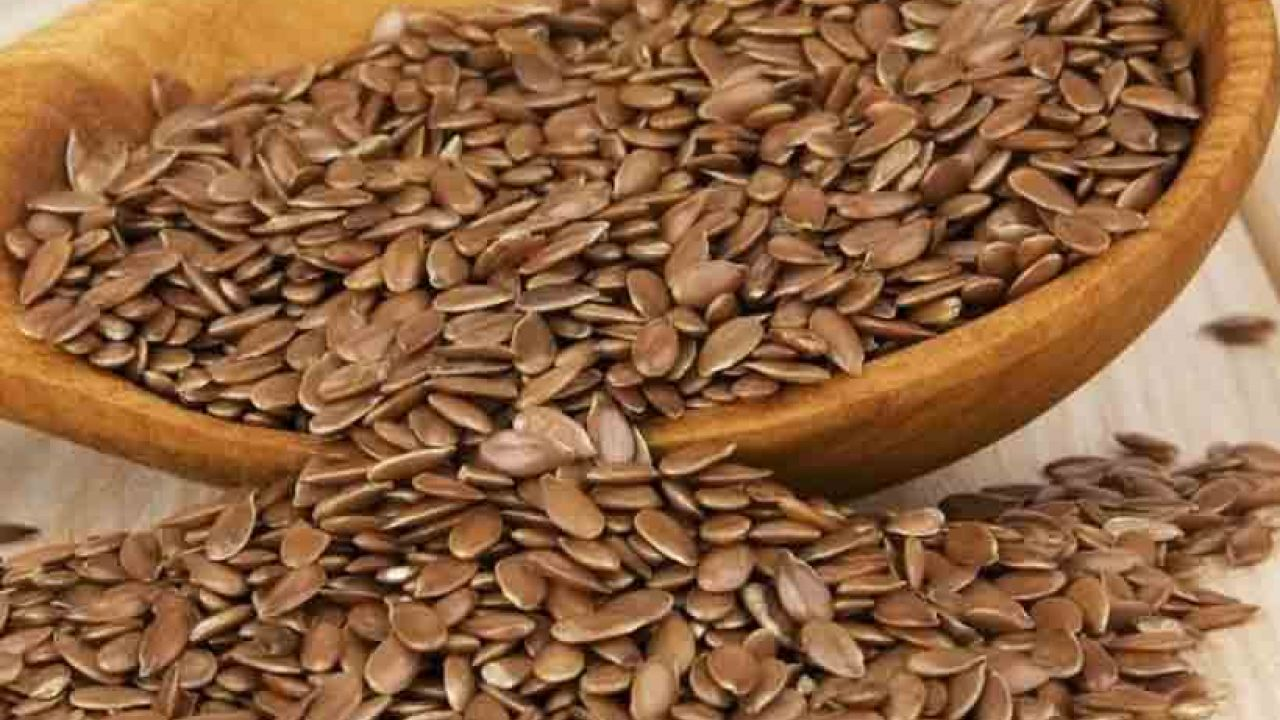
Lino flooring is a resilient flooring material made primarily from natural, renewable resources. The main components include linseed oil, cork dust, wood flour, and natural pigments, all of which are mixed with a jute backing to create a durable and flexible surface. The linseed oil, derived from flax seeds, gives lino its unique properties, making it both water-resistant and easy to clean. Unlike vinyl flooring, which is synthetic, lino is often praised for being an eco-friendly option, as it can biodegrade over time and is free from harmful chemicals like phthalates.
What are the benefits of choosing lino flooring?
Lino flooring offers numerous benefits, making it a preferred choice for many. First and foremost, it is highly durable, with a lifespan of 20-40 years when properly maintained. It’s also naturally antimicrobial, which helps prevent the growth of bacteria and mold, making it ideal for kitchens, bathrooms, and healthcare settings. Additionally, lino is comfortable underfoot, providing a warmer and softer surface compared to tile or hardwood. Its aesthetic appeal is another significant advantage; lino comes in a wide range of colors and patterns, allowing for creative design choices that can complement any interior style. Moreover, it’s relatively easy to install and maintain, requiring only regular sweeping and occasional mopping to keep it looking new.
How does lino flooring compare to vinyl flooring?
While both lino and vinyl flooring offer durability and aesthetic options, there are key differences between the two. Lino is made from natural materials, while vinyl is a synthetic product composed of PVC (polyvinyl chloride). This distinction affects their environmental impact; lino is considered more eco-friendly because it can decompose naturally, whereas vinyl can take hundreds of years to break down. In terms of appearance, lino often features richer textures and colors due to its natural pigments and materials, while vinyl can mimic various surfaces, including wood and stone. Additionally, lino generally offers better comfort underfoot, while vinyl may provide better moisture resistance in certain conditions. Ultimately, the choice between the two will depend on personal preference, budget, and specific usage requirements.
Can lino flooring be installed over existing flooring?
Yes, lino flooring can often be installed over existing flooring, but there are several considerations to keep in mind. First, the existing floor must be clean, dry, and level to ensure proper adhesion and prevent any imperfections from showing through the new lino. If the existing flooring is in poor condition, it may be necessary to remove it before installation. It’s also advisable to use an underlayment, which can provide additional cushioning, improve sound insulation, and enhance the overall performance of the flooring. If you’re unsure about the suitability of your existing floor, consulting a professional installer can provide valuable guidance and help ensure a successful installation.
What is the maintenance routine for lino flooring?
Maintaining lino flooring is relatively simple and straightforward. Regular sweeping or vacuuming helps to remove dust and dirt, preventing scratches and keeping the surface clean. For deeper cleaning, a damp mop with a mild detergent is usually sufficient; however, it’s essential to avoid excessive water exposure, as prolonged moisture can damage the material. You should also refrain from using harsh chemicals or abrasive cleaners, as they can wear down the surface and reduce its lifespan. Additionally, applying a protective sealant every few years can enhance durability and maintain the appearance of the flooring. If spills occur, it’s best to clean them promptly to prevent staining or damage.
To read more, Click here
Leave a Reply