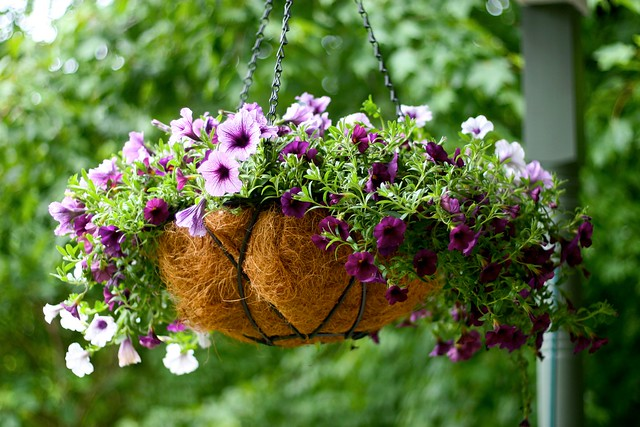
Hanging baskets are a popular and versatile way to add greenery and color to your home or outdoor space. These containers can be used to grow a variety of plants, from flowering vines to leafy greens. In this comprehensive guide, we will explore the different types of hanging baskets, the plants that thrive in them, and tips for creating stunning displays.
Types of Hanging Baskets
Wire Baskets: These are the most common type of hanging basket, made from woven wire or metal.They are long-lasting and give plants enough drainage.
Wooden Baskets: Wooden baskets add a rustic and natural touch to your space. They are often made from wicker, rattan, or bamboo. Baskets made of plastic are lightweight and simple to clean. They are a flexible choice because they are available in a range of hues and designs.
Fabric Baskets: Fabric baskets are a stylish and modern choice. They are typically made from felt, burlap, or other soft materials.
Plants for Hanging Baskets
The best plants for hanging baskets are those that have cascading growth habits or trailing vines. Here are some popular choices:
Trailing Petunias: These vibrant flowers come in a wide range of colors and are ideal for hanging baskets.
Fuchsias: Fuchsias are known for their delicate, bell-shaped flowers. They thrive in hanging baskets, especially in cooler climates.
Ivy: Ivy is a versatile plant that can be used in both indoor and outdoor hanging baskets. It adds a touch of greenery and can cascade over the sides of the basket.
Geraniums: Geraniums are classic choices for hanging baskets. They are renowned for their fragrant blossoms and come in a range of hues.
Trailing Begonias: Trailing begonias offer colorful foliage and delicate blooms. They are a great option for shaded areas.
Boston Ferns: These ferns have delicate, feathery fronds that cascade beautifully from hanging baskets.
Tips for Creating Stunning Hanging Baskets
Choose the Right Plants: Select plants that are suitable for your climate and the amount of sunlight your hanging basket will receive. Consider the size and growth habit of the plants when choosing your basket.
Use a Quality Potting Mix: A well-draining potting mix is essential for healthy plants in hanging baskets. Look for a mix specifically formulated for hanging baskets or container gardening.
Proper Watering: Water your hanging baskets regularly, especially during hot weather. Overwatering can cause root rot, so be cautious.
Fertilize Regularly: Feed your hanging basket plants with a balanced fertilizer every few weeks during the growing season.
Pruning: Prune your plants regularly to maintain their shape and encourage new growth.
Consider the Weight: Hanging baskets can become quite heavy when filled with plants and soil. Verify that the weight can be supported by your hanging mechanism.
Indoor vs. Outdoor Hanging Baskets
Whether you choose to hang your baskets indoors or outdoors will depend on your climate and the types of plants you want to grow. Indoor hanging baskets can add a touch of greenery to your home and help to improve air quality. Outdoor hanging baskets can create a beautiful focal point in your garden or patio.
FAQs
What are hanging baskets and what are their primary uses?
Hanging baskets are containers suspended from hooks or brackets, designed primarily for growing and displaying plants and flowers. They serve multiple purposes, including enhancing the aesthetic appeal of outdoor and indoor spaces, optimizing limited gardening space, and improving air circulation around plants. Often seen adorning patios, balconies, porches, and gardens, hanging baskets can be filled with a wide variety of plants, from vibrant flowers to cascading greenery, allowing for creative expression in garden design. They are particularly popular in urban areas where ground space may be limited, providing a vertical gardening solution that brightens up any environment.
What types of hanging baskets are available?
Hanging baskets come in various styles and materials, each catering to different needs and preferences. Common types include:
Wire Baskets: Often lined with coir or moss, these baskets allow for excellent drainage and are lightweight, making them a popular choice for outdoor gardens.
Plastic Baskets: Durable and lightweight, plastic hanging baskets can come in a range of colors and designs. They often have built-in drainage holes and are suitable for both indoor and outdoor use.
Ceramic or Terracotta Baskets: These materials add a rustic touch to your decor. They retain moisture well but can be heavier and may require more careful handling.
Self-Watering Baskets: These innovative designs feature a reservoir at the bottom, allowing plants to absorb water as needed. This is especially beneficial for busy gardeners or those in hotter climates.
Macramé and Fabric Baskets: These stylish options are often made from cotton or synthetic fibers, allowing for a bohemian aesthetic. They are portable and suitable for both indoor and outdoor hanging.
Choosing the right type depends on your gardening goals, the plants you wish to grow, and the aesthetic you want to achieve.
How do I choose the right plants for hanging baskets?
Selecting the right plants for hanging baskets involves considering several factors, including sunlight, climate, and the basket’s size. Here are some tips:
Sunlight Requirements: Determine the amount of sunlight your hanging basket will receive—full sun, partial shade, or full shade. This will influence your plant selection significantly. For sunny locations, opt for sun-loving plants like petunias, geraniums, or million bells. In shady areas, consider ferns, begonias, or impatiens.
Growth Habit: Look for trailing or cascading plants that will spill over the sides of the basket, creating a lush appearance. Good options include ivy, creeping jenny, and sweet potato vine.
Seasonality: Consider the season and select plants that thrive during that time. Annuals like petunias and calibrachoas are great for summer, while pansies can add color in spring and fall.
Companion Planting: Combining plants with varying heights and textures can create visual interest. For example, pairing trailing plants with upright varieties like geraniums can enhance the overall display.
Taking these factors into account will help you create a thriving and visually appealing hanging basket.
What is the best way to plant and maintain a hanging basket?
Planting and maintaining a hanging basket requires attention to detail and proper care. Here’s a step-by-step guide:
Preparation: Begin with a clean basket, ensuring any old soil is removed. If using a wire basket, line it with coir or moss to retain moisture while allowing drainage.
Soil Selection: Use a high-quality potting mix specifically designed for container gardening. This type of soil usually contains moisture-retaining materials, which can be beneficial for hanging baskets.
Plant Arrangement: Start by planting larger or upright plants in the center or back of the basket, followed by medium-sized plants around them, and trailing plants on the edges. Ensure there’s enough space between plants for growth.
Watering: Hanging baskets dry out more quickly than traditional garden beds, so regular watering is crucial. Check the soil moisture daily, especially during hot weather, and water thoroughly when needed.
Fertilization: Apply a balanced liquid fertilizer every few weeks during the growing season to promote healthy growth and vibrant blooms.
Pruning: Regularly deadhead spent flowers and trim back any overgrown plants to encourage bushier growth and maintain an attractive appearance.
By following these steps, your hanging basket will thrive and provide beauty throughout the growing season.
Hanging baskets are a versatile and attractive way to add greenery and color to your home or outdoor space. By following these tips and choosing the right plants, you can create stunning displays that will brighten up your surroundings.
To read more, Click here
Leave a Reply