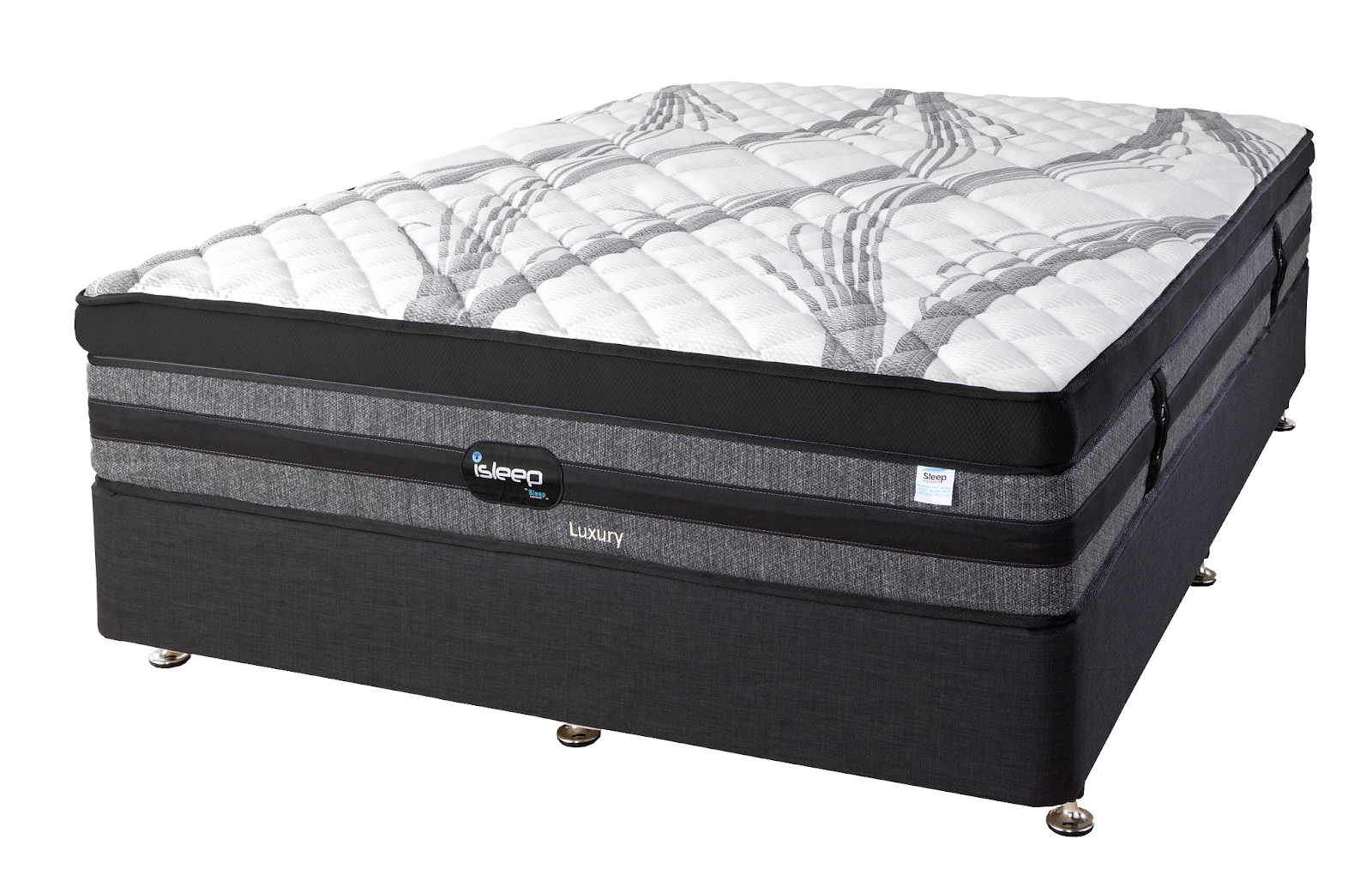
A good night’s sleep is essential to our general health and well-being.A significant factor in achieving quality sleep is having the right mattress. With countless options available, choosing the perfect mattress can be overwhelming. This comprehensive guide will help you understand the different types of mattresses, their benefits, and how to select the best one for your needs.
Understanding Mattress Types
There are several varieties of mattresses available, each with its own distinct features. Here’s a breakdown of the most common options:
Innerspring mattresses: These classic mattresses include coils that give both support and bounce. They are available in various firmness levels, from soft to extra-firm.
Memory Foam Mattresses: Memory foam mattresses contour to your body’s shape, relieving pressure points and promoting alignment. They are known for their ability to absorb motion, making them ideal for couples.
Latex Mattresses: Latex mattresses are made from natural latex, which is highly durable and supportive. They offer excellent bounce and are hypoallergenic, making them suitable for those with allergies.
Hybrid mattresses combine the benefits of innerspring coils with foam layers. They provide a balance of support and comfort, making them a popular choice among many.
Air Mattresses: Air mattresses are adjustable, allowing you to customize the firmness to your preference. They are often used as temporary beds or for camping.
Factors to Consider When Choosing a Mattress
Sleep Position: Your preferred sleeping position will influence the type of mattress you need. Side sleepers may benefit from a softer mattress for pressure relief, while back sleepers may prefer a firmer mattress for spinal support.
Weight: Your weight will also impact the mattress you choose. Heavier individuals may need a firmer mattress to provide adequate support.
Allergies: If you have allergies, consider a hypoallergenic mattress made from materials that are resistant to dust mites and allergens.
Temperature: Some people sleep hot and may benefit from a mattress with cooling properties. Look for materials like gel-infused foam or breathable fabrics.
Budget: Mattresses come in a variety of costs. Determine your budget and prioritize features that are most important to you.
Mattress Features and Benefits
Firmness: The firmness of a mattress is a personal choice. Consider your sleep position and weight to determine the ideal firmness for you.
Support: A good mattress should provide adequate support for your body, especially your spine and hips.
Comfort: The mattress should be comfy and welcoming, helping you to unwind and fall asleep quickly.
Durability: A high-quality mattress should be durable and last for many years. Look for mattresses with warranties and consider factors like the materials used and the construction.
Cooling Technology: Some mattresses incorporate cooling technology to help regulate your body temperature and prevent overheating.
Edge Support: Edge support is important for preventing sagging and ensuring a comfortable sleep experience, especially if you tend to sit on the edge of your bed.
Tips for Buying a Mattress
Do Your Research: Read reviews and compare different mattress options to find the best one for your needs.
Try Before You Buy: If possible, test out mattresses in person to get a feel for their comfort and support. Many retailers offer trial periods, allowing you to try a mattress in your home before making a final decision.
Consider Your Partner: If you sleep with a partner, choose a mattress that can accommodate both of your needs. Look for options that absorb motion to prevent disturbances.
Set a Budget: Decide on a budget ahead of time to help narrow down your alternatives and prevent spending too much.
Read the Warranty: A good mattress should come with a warranty that covers defects and provides peace of mind.
Caring for Your Mattress
Rotate Regularly: Rotating your mattress every six months can help ensure even wear and tear and prolong its lifespan.
Use a Mattress Protector: A mattress protector can help protect your mattress from spills, stains, and allergens.
Vacuum Regularly: Vacuum your mattress regularly to remove dust mites and other allergens.
Air Out Your Mattress: Occasionally air out your mattress by leaving it open and exposed to sunlight to help eliminate moisture and odors.
By carefully considering these factors and following these tips, you can find the perfect mattress to improve your sleep quality and overall well-being. Remember: a good night’s sleep is an investment in your health.
FAQs
What is the best mattress for back pain?
A mattress that provides proper support for your spine is essential for alleviating back pain. Typically, firm or medium-firm mattresses are recommended for back sleepers. Look for mattresses with good edge support to prevent sagging and ensure proper alignment.
How often should I replace my mattress?
The lifespan of a mattress varies depending on factors such as its materials, quality, and how you use it. Mattresses should be changed every 7–10 years. Signs that it’s time for a new mattress include sagging, uneven wear, or discomfort during sleep.
What is the difference between innerspring and memory foam mattresses?
Innerspring mattresses feature coils that provide bounce and support. They are a traditional choice and offer good ventilation. Memory foam mattresses contour to your body’s shape, relieving pressure points and providing excellent support. They are recognized for their capacity to absorb motion, making them perfect for couples.
Can a mattress cause allergies?
Yes, some mattresses can contribute to allergies. Dust mites and other allergens can accumulate in mattresses, especially older ones. Look for hypoallergenic mattresses made from materials that are resistant to allergens.
How do I select the appropriate mattress firmness?
The ideal mattress firmness depends on your personal preference and sleep position. Side sleepers may benefit from a softer mattress for pressure relief, while back sleepers may prefer a firmer mattress for spinal support. Consider your weight and any existing back or joint pain when selecting a firmness level.
What is the best mattress for couples?
A mattress that absorbs motion is ideal for couples. Memory foam mattresses are known for their ability to isolate motion, preventing disturbances from your partner’s movements. Hybrid mattresses that combine innerspring coils and foam layers can also be a good option.
Can a mattress help with snoring?
While a mattress cannot directly cure snoring, it can contribute to a more restful sleep environment. A mattress that provides proper support and alignment can help reduce snoring by preventing airway obstruction.
To read more, Click here
Leave a Reply