
Albania, a small yet vibrant country located in the heart of the Balkans, has made significant strides in the world of football over the years. Despite being a relatively underdog nation in international sports, the Albania national football team has built a passionate following and earned respect on the global stage. From its early beginnings to its recent successes, Albania’s footballing journey is one filled with determination, resilience, and a deep love for the sport.
The Beginnings of Albanian Football
Albania’s national football team dates back to the early 20th century. The country joined FIFA in 1930, and by 1932, Albania had played its first official international match against Yugoslavia. This match marked the beginning of what would become a long journey through ups and downs.
Despite the passion for football in the country, Albania struggled to make a significant impact in international competitions for many years. The team faced a series of disappointments, with early qualifications for major tournaments like the World Cup and European Championship remaining elusive.
Key Milestones and Growth in Albanian Football
Though Albania didn’t initially find success on the global stage, a transformation began in the 1990s. After the fall of communism, the country opened up to more international opportunities, both politically and in sports. It was during this period that football began to receive greater attention, and Albania started attracting talented players, both homegrown and from the Albanian diaspora.
A Historic Breakthrough: UEFA Euro 2016
One of the most significant moments in Albanian football history came in 2016 when the national team qualified for the UEFA European Championship, held in France. This achievement was not just a milestone in the team’s journey but also a testament to the growth of Albanian football on the international scene.
The team’s qualification for Euro 2016 marked the first time Albania had reached a major international tournament in its history. It was a moment of immense pride for the nation, as the team not only participated but also made its mark by defeating Romania 1-0 in their opening match. Although Albania did not progress past the group stage, their historic qualification put the country on the map of international football.
The Role of Albanian Players Abroad
A crucial factor in the rise of Albanian football has been the emergence of players with Albanian roots who play abroad. The Albanian diaspora, especially in Italy, Germany, and Switzerland, has contributed significantly to the national team’s strength. Players like Elseid Hysaj, Shkëlzen Gashi, Armando Sadiku, and Lorik Cana have been instrumental in representing Albania on the world stage, bringing invaluable experience from top European leagues.
The influence of these players abroad has brought new techniques, styles of play, and strategies to the Albanian team. It has helped the national squad grow in stature and attract global attention.
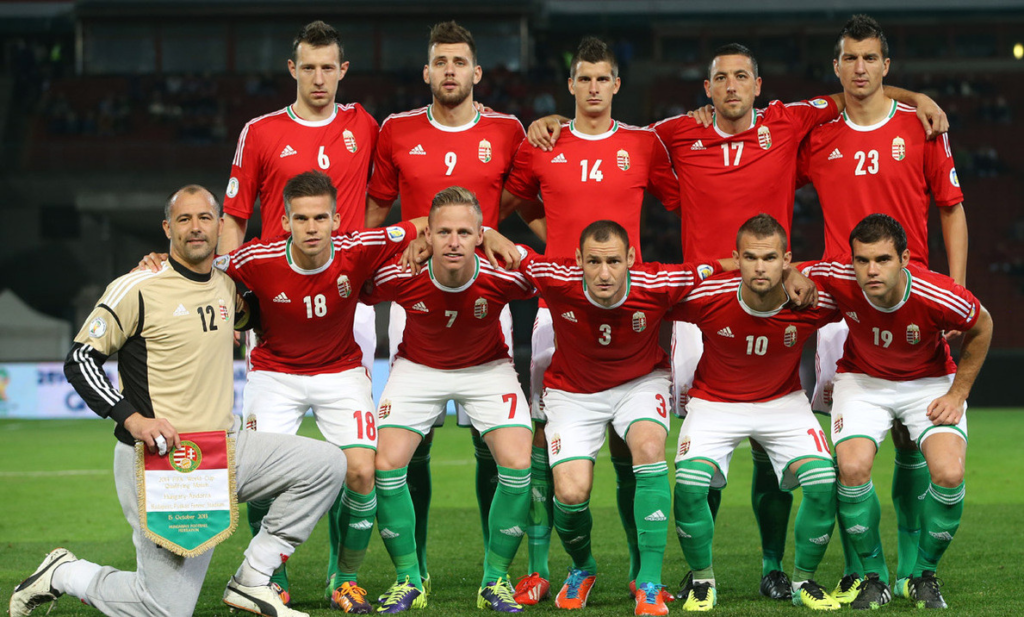
Albania’s Playing Style
The Albanian national team is known for its strong defensive approach and disciplined structure. Historically, they have focused on a solid defense, often opting for a counter-attacking style that capitalizes on the speed and agility of their attackers.
Under different coaches, Albania has consistently worked on maintaining a compact and organized defense, making it difficult for opponents to break through. While their offensive tactics may not be as flashy as some of the more prominent footballing nations, Albania’s resilience and tactical discipline have made them a formidable opponent.
In recent years, the team has also incorporated more fluid attacking styles, blending traditional strength with creativity on the ball. The combination of experienced players and emerging talents has allowed Albania to adapt its playing style to compete at higher levels.
Current Squad and Notable Players
As of 2024, the Albania national football team boasts a blend of experienced players and promising young talent. Key players like Thomas Strakosha, Albania’s first-choice goalkeeper, and Mergim Mavraj, a seasoned defender, continue to be integral to the team’s defense.
Additionally, emerging stars such as Kamer Qaka and Myrto Uzuni have shown great potential, contributing to the team’s attacking strength. These players are vital for Albania’s future as they aim to qualify for future tournaments and challenge bigger teams.
The Leadership of the National Team
Over the years, Albania has been led by various head coaches, each bringing a unique style and perspective. The leadership of Gianni De Biasi, who coached the national team from 2011 to 2017, was particularly influential. His tenure marked a period of growth and stability, culminating in the historic qualification for Euro 2016.
More recently, coaches like Edgar Çani and Albanian football legend Armand Duka have continued to build on the foundations laid by De Biasi, maintaining a focus on discipline, organization, and tactical awareness.
Challenges Faced by the Albanian National Team
While Albania has come a long way in football, the team still faces significant challenges. The primary challenge remains competing against some of the footballing giants of Europe, such as Germany, France, and Italy, which have significantly larger football infrastructures and talent pools.
Additionally, Albania’s smaller population and less-developed domestic leagues mean that the national team often has to rely on players who play abroad. This creates challenges in building team chemistry and cohesiveness.
Financial Limitations
Another challenge is financial limitations. While the Albanian Football Association (FSHF) has worked hard to improve the infrastructure and management of the team, the financial resources available are often far less than those of other European nations. This affects everything from player development to training facilities and travel.
Albania’s Football Fanbase
Liverpool Despite these challenges, Albania has one of the most passionate football fanbases in the world. The fans, known for their loyalty and enthusiasm, fill the stadiums and support the team through thick and thin. Albanian football culture is deeply tied to the nation’s identity, with the national team representing a source of pride and unity.
Albanian supporters are known for their vibrant presence, both in domestic games and international tournaments. The “Shqiponja” (the Eagle) — the symbol of Albania — is proudly displayed during matches, with fans waving flags and singing traditional songs to show their love for the team.
Albania’s Future in International Football
Nest Looking ahead, Albania’s footballing future seems bright. The country continues to invest in youth development, with increasing attention being given to grassroots football. As young talents emerge from the academy systems, there is hope that Albania will continue to improve and make a more consistent impact on the world stage.
Algeria With the right blend of experience and youth, as well as strong leadership from the coaching staff, Albania could achieve even greater success in future qualifiers for major tournaments. The aim is to qualify for the FIFA World Cup and the European Championship regularly, not as a surprise but as a result of sustained progress.
To read more, Click Here
Leave a Reply