In December 2024, London’s Paddington Station experienced one of the most significant flooding incidents in recent memory. The historic train station, a major hub in the city’s transport network, was hit by unexpected flooding, affecting thousands of commuters and creating widespread disruption. This article will provide a detailed overview of the event, what caused the flooding, its impact, the response efforts, and how London is recovering from the situation.
1. What Happened at Paddington Station?
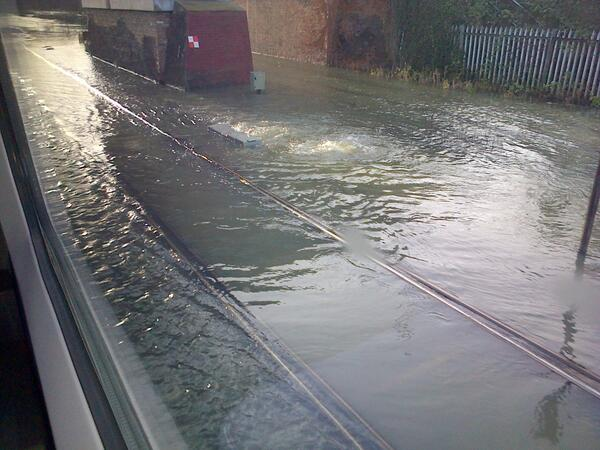
On the morning of the flooding, heavy rainfall combined with a sudden increase in water levels overwhelmed the station’s drainage system. The water quickly began to pour into the station, flooding platforms, tracks, and various areas of the terminal. This not only halted train services but also led to major delays for thousands of travelers.
Paddington is one of London’s busiest railway stations, known for its iconic Victorian architecture and vital connections to both the city center and surrounding areas. The flood caused major service disruptions, with some trains delayed for hours while others were canceled altogether.
2. What Caused the Flooding?
Several factors contributed to the severity of the flooding at Paddington.
Heavy Rainfall
The UK experienced continuous heavy rainfall in the days leading up to the flooding, particularly in London. This rain saturated the ground, reducing its ability to absorb additional water. Consequently, the rainwater had nowhere to go and began to collect in low-lying areas.
Blocked Drainage Systems
Another major factor in the flooding was the blocked drainage systems in and around Paddington Station. Over time, debris and waste had accumulated in the drains, preventing water from being efficiently channeled away. As the water levels rose, the station’s drains simply couldn’t cope with the volume, leading to the flood.
Aging Infrastructure
The infrastructure at Paddington Station, built over 160 years ago, was not designed to handle the kind of extreme weather events that have become more frequent due to climate change. The station’s infrastructure, while regularly maintained, is still vulnerable to large-scale weather events.
3. The Immediate Impact of the Flooding
The flood caused widespread disruption across the station, which serves as a vital transport hub for commuters traveling to destinations like Heathrow Airport and Oxford.
Train Services Disrupted
Trains heading to and from Paddington Station were severely delayed or canceled. Many passengers found themselves stranded, waiting for updates as the situation unfolded. Service interruptions continued for several hours, as engineers worked to pump water out of the station and restore normal operations.
Damage to Station Facilities
Several areas within the station were damaged, including ticketing booths, waiting areas, and retail spaces. The floodwaters also caused some damage to the underground platforms and electrical systems, which led to further delays in services.
Delays for Commuters
For the thousands of daily commuters who rely on Paddington, the flooding was a major inconvenience. Many had to find alternative routes to their destinations or were left stranded in the chaos. Public transport across London was also affected, as buses and the Underground system experienced knock-on delays from the station’s closure.
4. Response and Efforts to Combat the Flood
When news of the flooding broke, London’s emergency response teams sprang into action. The situation was managed by several organizations, including the British Transport Police, Network Rail, and the Environment Agency.
Emergency Services
Emergency responders worked quickly to ensure the safety of passengers and staff at the station. Some train services were diverted to nearby stations, while others were delayed. Evacuations were carried out in parts of the station that were in danger of further flooding.
Restoration and Cleanup
Network Rail and the London Underground team collaborated to clear debris from the affected drainage systems and pump excess water out of the station. Engineers also worked to assess any damage to electrical systems and ensure that the station could safely reopen for service. It took several hours to restore the station’s usual operations fully.
Weather Warnings and Communication
The Met Office issued a series of weather warnings leading up to the flooding, but the intensity and sudden onset of the rainfall caught many by surprise. Authorities have promised to improve weather alert systems and communication with the public to prevent similar occurrences in the future.
5. Looking Ahead: How Will Paddington Improve?
In the aftermath of the flooding, authorities are taking significant steps to improve Paddington Station’s resilience to such events in the future. Some of the measures being discussed include:
Improved Drainage Systems
One of the key solutions being explored is upgrading the drainage infrastructure at Paddington Station. This includes cleaning existing systems more frequently and possibly investing in new systems designed to handle heavy rainfall more effectively.
Climate Resilience Initiatives
Given the increasing frequency of extreme weather events, Paddington’s infrastructure needs to be made more resilient to the impacts of climate change. This could include reinforcing flood defenses, such as barriers or flood gates, to protect the station during heavy rain.
Investment in Technology
FC Barcelona vs. BSC Young Boys Technology will also play a vital role in future flood prevention efforts. Real-time weather data, improved monitoring systems, and early warning technologies will be used to provide better insights into potential flooding risks.
6. What Can Commuters Expect in the Future?
Alan Wake 2 DLC Commuters can expect improvements in the flood response times and better management of disruptions in the event of another storm. However, due to the unpredictable nature of extreme weather events, there will always be some uncertainty about how severe the impact will be.
Clash of Titans In addition to physical infrastructure upgrades, authorities are working on creating more effective communication strategies. This includes providing real-time updates on delays, alternative routes, and station closures, so passengers can make informed decisions during adverse weather events.
7. FAQs About the Paddington Flooding
Q: Was anyone injured during the flooding?
A: Fortunately, no injuries were reported due to the flooding. Emergency services acted quickly to evacuate affected areas.
Q: How long did the disruption last?
A: The disruption lasted for several hours, with trains being delayed or canceled until the water was pumped out and systems were restored.
To read more, Click Here
Leave a Reply