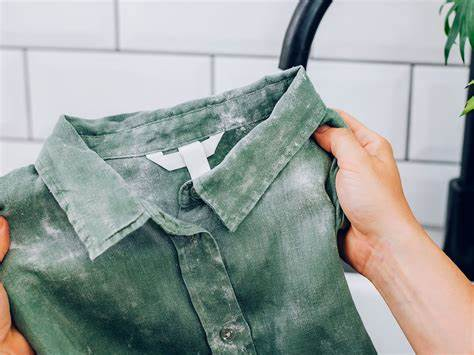
Banishing Mold is a common issue in many homes, causing both health problems and structural damage. If left untreated, mould can spread quickly and become difficult to remove. The good news is that mould cleaners are an effective solution to combat this issue. In this guide, we will explore everything you need to know about mould cleaners, how they work, and how to choose the right one for your needs.
What is Mold Cleaner?
A mold cleaner is a product designed to remove mould and mildew from various surfaces. These cleaners typically contain powerful chemicals that kill the mould spores and prevent them from returning. They are available in sprays, gels, and wipes, offering convenience for different cleaning tasks. Mould cleaners are essential in keeping your home free from harmful fungi and ensuring the health of your environment.
Why Do You Need a Mold Cleaner?
Mould can grow in damp, humid areas of your home, such as bathrooms, kitchens, and basements. It thrives in places with poor ventilation and moisture. Besides causing unsightly stains, mold can lead to allergic reactions, respiratory problems, and even structural damage to your home. Using a mould cleaner not only tackles the visible growth but also helps prevent future infestations.
Common Types of Mould Cleaner
When it comes to mold cleaning products, there are a variety of options available. Below are some of the most common types:
1. Bleach-based Mould Cleaners
These cleaners are some of the most effective at killing mold. Bleach can penetrate porous materials like grout and tile, removing mould spores at their root. However, bleach can be harsh and may damage certain surfaces, so use it with caution.
2. Hydrogen Peroxide-based Mould Cleaners
Hydrogen peroxide is another powerful ingredient that effectively kills mold. It is less harsh than bleach and is a better option for sensitive surfaces like fabrics and carpets.
3. Vinegar-based Mould Cleaners
Vinegar is a natural alternative to chemical-based mould cleaners. It can kill many types of mould, is less toxic, and is a great option for eco-conscious users. However, it may not be as effective on stubborn or large mould infestations.
4. Enzyme-based Mould Cleaners
These are biodegradable and environmentally friendly options that use natural enzymes to break down mould. Enzyme cleaners are often preferred for sensitive areas like kitchens or nurseries.
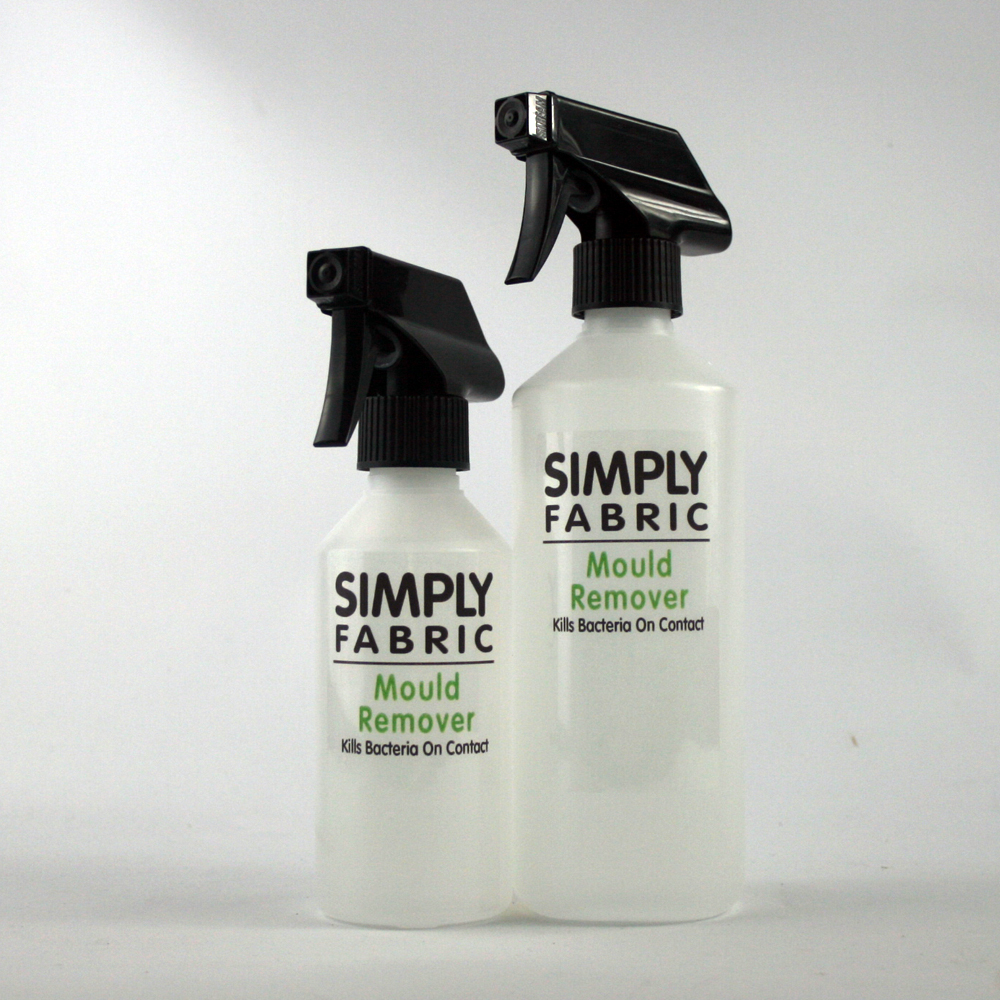
5. Commercial Mould Removers
These are pre-formulated, ready-to-use cleaners that often contain a combination of chemicals and ingredients for maximum effectiveness. Many commercial mould removers also offer a preventative measure, which helps to stop mould from coming back.
How to Use Mould Cleaner Safely
Using a mould cleaner correctly ensures the best results while keeping you safe. Here’s a simple guide to follow:
Ventilate the Area: Always ensure good ventilation when using mould cleaners. Open windows or use fans to allow fresh air to circulate, especially in enclosed spaces like bathrooms and basements.
Wear Protective Gear: Mould spores can be harmful to your health. Always wear gloves, goggles, and a mask to avoid exposure. If using bleach-based cleaners, wear old clothes that you don’t mind getting stained.
Test on a Small Area: Before using any cleaner on a larger surface, test it on a small, inconspicuous area. This will help you avoid damage to delicate materials.
Follow Instructions: Each mould cleaner may have specific usage instructions. Always read and follow the manufacturer’s recommendations for the best results.
Allow the Cleaner to Sit: For most cleaners, it’s important to allow the solution to sit for a few minutes to break down the mold. Don’t wipe it off immediately.
Scrub the Affected Area: After the cleaner has had time to work, use a brush or sponge to scrub the surface. For stubborn mold, you may need to repeat the process.
Rinse and Dry: After cleaning, rinse the area with water and dry it completely. This will help prevent further mold growth.
Best Practices for Preventing Mould Growth
Cleaning mould is just one part of the solution. To prevent mould from returning, follow these best practices:
1. Control Humidity Levels
Mould thrives in damp environments. Use dehumidifiers in areas with high humidity, such as basements and bathrooms. A relative humidity level of 30-50% is ideal for mould prevention.
2. Fix Leaks
Leaky pipes or roofs can create the perfect breeding ground for mold. Regularly check your plumbing and roofing, and repair any leaks promptly.
3. Improve Ventilation
Proper ventilation is essential to reduce moisture. Install exhaust fans in bathrooms and kitchens, and ensure air circulation by opening windows or using fans.
4. Clean Regularly
Regular cleaning of surfaces, especially in damp areas, can prevent mold build-up. Pay attention to areas like grout lines, shower curtains, and window sills.
5. Use Mould-Resistant Products
Liverpool vs. Sheffield United When renovating or building, consider using mould-resistant paints, materials, and insulation. These can help protect your home from future mold problems.
Frequently Asked Questions (FAQs)
Q: How do I know if I have a mold problem?
A: Signs of mold include a musty smell, visible black or green spots, and unexplained allergy-like symptoms such as coughing or sneezing.
Q: Can I make a homemade mould cleaner?
A: Yes, you can make a simple mould cleaner using ingredients like vinegar, baking soda, and hydrogen peroxide. These natural ingredients are often effective at removing mold growth.
Q: Is mould dangerous to my health?
A: Yes, mold can cause allergic reactions, respiratory problems, and other health issues, especially for people with asthma or weakened immune systems.
Q: How often should I clean the mold?
A: It’s a good idea to check for mold in damp areas every few months. Regular cleaning and moisture control will help prevent mold from becoming a major issue.
Q: Can mould cleaner be used on all surfaces?
A: Not all surfaces are suitable for every type of mould cleaner. Always check the label to ensure the cleaner is safe for your particular surface, especially for delicate materials like wood or fabric.
Ivory Coast vs Guinea-Bissau Mould cleaning is an important part of home maintenance. Whether you choose a bleach-based cleaner, a natural solution like vinegar, or an enzyme cleaner, the key is to act quickly and take steps to prevent future mold growth. By following safety guidelines and regular cleaning routines, you can protect both your health and the structural integrity of your home.
To read more, Click Here
Leave a Reply